Your visit at a glance
- Setting
- Northern lagoon near Cap Malheureux
- Main interests
- Coastal scenery, kite and wing activities
- Conservation
- Community voluntary marine conservation area
- Suggested scenic stop
- 30–60 minutes
Come for the lagoon as a whole
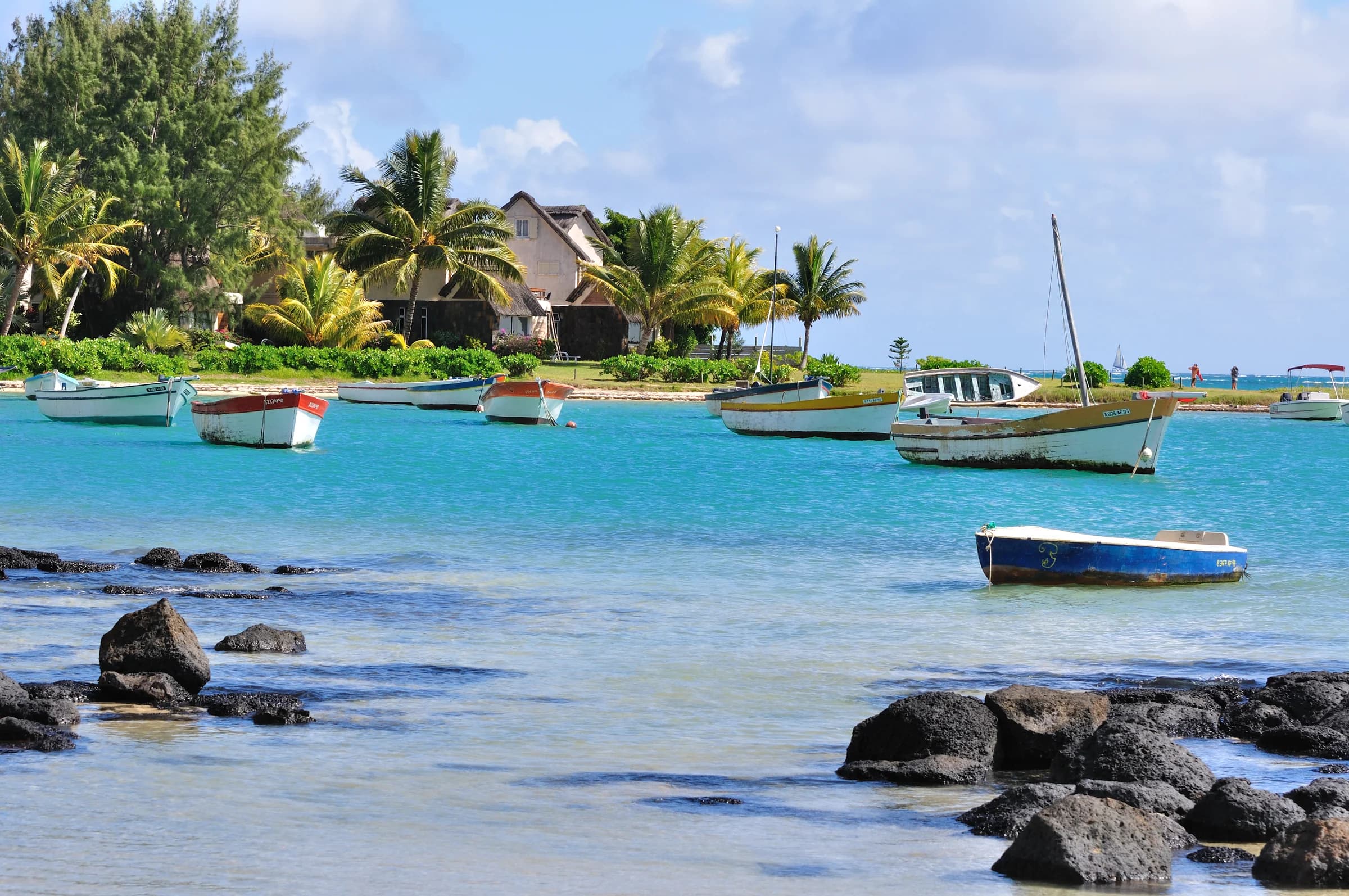
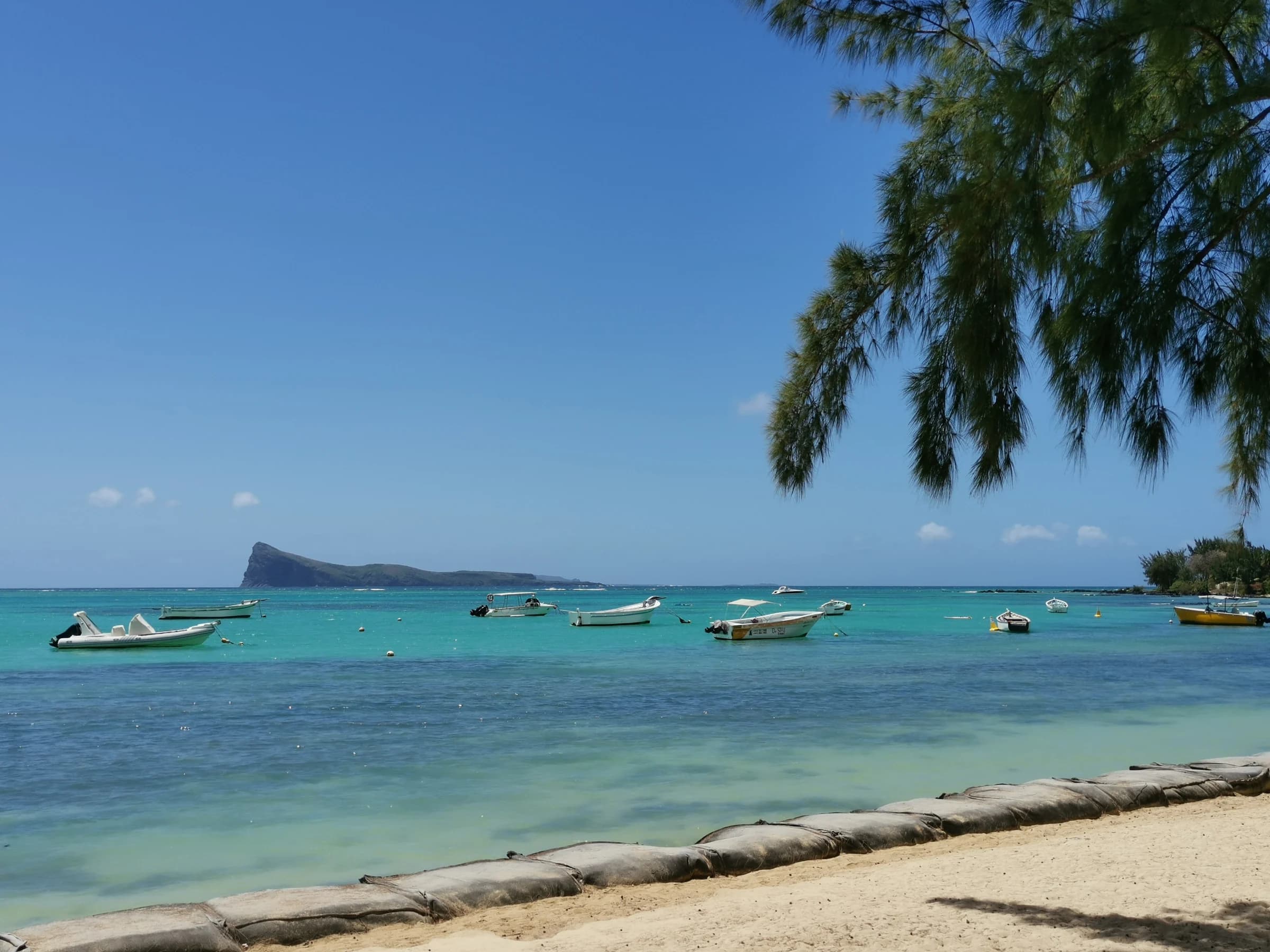
The appeal here is the broader coastal setting. Give yourself time to look across the water, watch how the wind changes its surface and see how other people are using the lagoon. A photography stop does not have to become an activity booking. You can enjoy the place from shore and continue along the coast when you are ready.
Choose the exact access point rather than following a vague lagoon pin. The public-beach list distinguishes Anse La Raie and P.G. Union Ribet, names you may encounter while researching the area. A hotel address, a kite launch and a public beach entrance are not necessarily the same destination. Confirm the meeting point directly if you have arranged an activity.
Give a water-sports session the centre of the day
Anse la Raie is associated with kitesurfing and other wind-driven activities. Riders are one part of its identity, alongside the lagoon views and the conservation work. A first lesson and an independent riding session require different arrangements. When choosing a session, describe your experience and establish the teaching area, supplied equipment, support and weather policy with the school. The Tourism Authority directory is the starting point for finding licensed businesses.
Give the activity the central place in the day. Meeting the instructor, preparing equipment and understanding the launch area all belong to the experience, followed by time to dry off and eat. For a mixed group, decide whether everyone wants a lesson or whether some prefer a shoreline visit. That choice shapes the outing more usefully than trying to fit a sport into a brief photo stop.
Understand what the wind changes
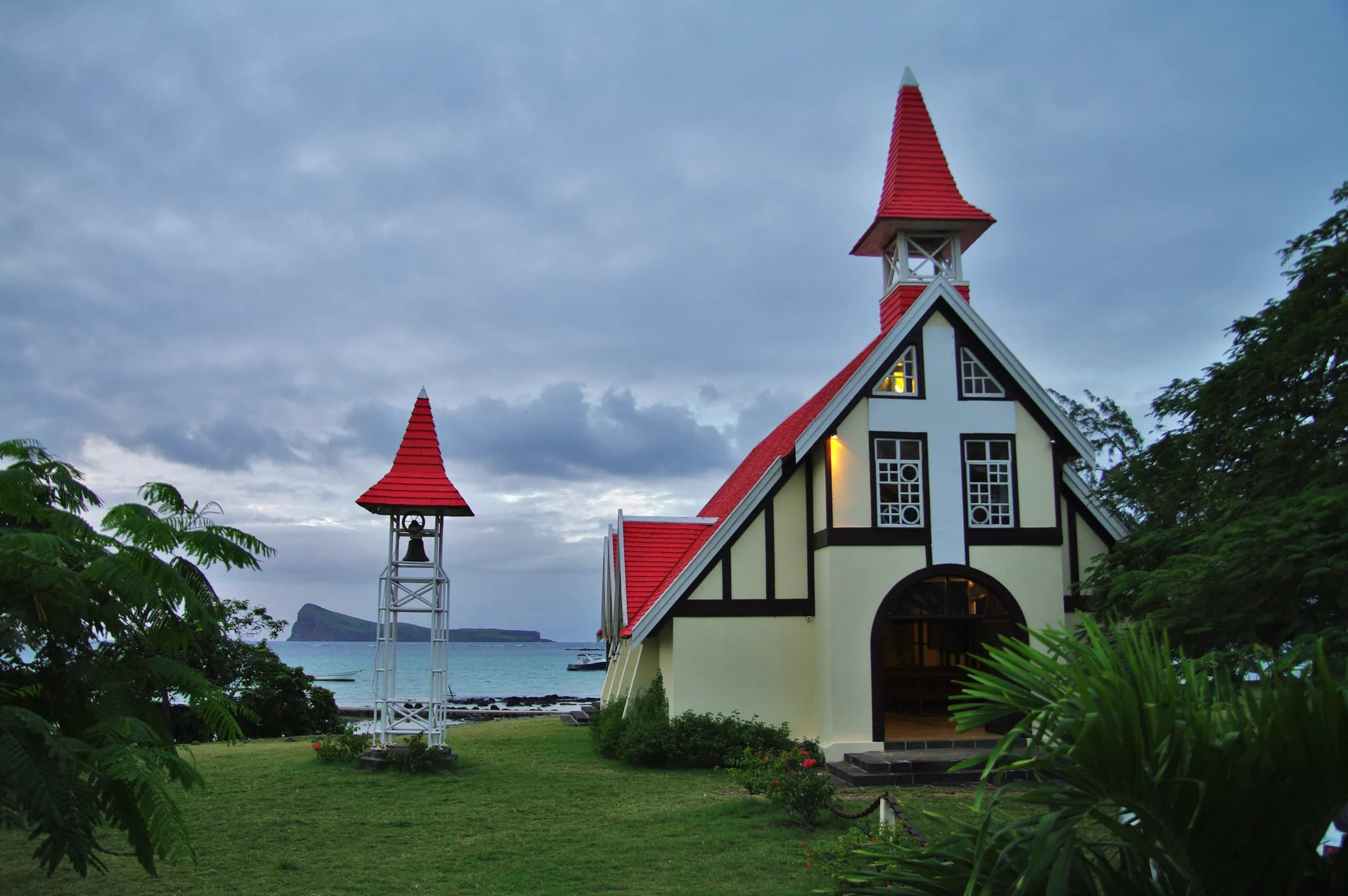
Wind gives this lagoon much of its character. Watch how it changes the water’s surface and the movement of the kites. Even from shore, those details make the stop different from the sheltered-looking scene beside the church. A rider may welcome conditions that are less attractive to someone hoping for a quiet float. This is why the lagoon suits an activity-led plan or a scenic pause especially well.
Mauritius’s cooler season is influenced by the trade winds, while the actual experience depends on direction, strength and the state of the sea. Read the weather and sea bulletin before setting out, then use the school’s assessment for a water-sports session. For time ashore, a light layer can be useful after a swim or while watching the water. Keep hats, loose clothing and belongings secured when the breeze picks up.
Keep swimming separate from launching and riding
Before entering the water, understand where boats and riders move and where you can enter and return comfortably. A wide lagoon does not mean every part has the same bottom, depth or exposure. Stay clear of launch and landing activity, and do not stand among lines or equipment on the beach. Watching from a little farther away often gives you a better view anyway.
For a day centred on swimming, Pereybere combines a compact beach with nearby village services, while Bain Boeuf gives another place to pause along the route towards Cap Malheureux. Anse la Raie adds the broader lagoon and the spectacle of wind sports. Choosing one beach session and one lagoon stop gives each a clear role, with less unpacking and repacking than a tour of every beach on the coast.
The lagoon has a community conservation story
Reef Conservation describes a Voluntary Marine Conservation Area at Anse la Raie, developed with local resource users and coastal communities. The principle is that participants agree to avoid destructive or extractive activities in the identified area. Its work includes ecological monitoring and community participation. This is a specific local initiative, not a reason to label every part of the surrounding coast a statutory marine park.
For visitors, the practical approach is simple. Follow the site guidance, avoid standing on or collecting coral, leave animals undisturbed and take rubbish away. If you join a water activity, ask how the route respects sensitive areas. Conservation is more meaningful when it shapes what happens on the water than when it is treated as a vague adjective for the destination.
Plan a scenic stop or give the activity its own time
For a visit from shore, allow around 30–60 minutes as an editorial planning estimate. Use the time to look across the lagoon, take photographs and watch the activity on the water. Bring drinking water, sun protection and a light layer if the breeze feels cool. A small bag keeps this stop easy to combine with the church; a full beach kit is more useful when you have chosen a longer stay by the water.
For a lesson, build the route around the meeting time. A morning session can be followed by lunch and the church, with dry clothes ready for the visit. For an afternoon lesson, visit Cap Malheureux earlier and allow time to reach the school and prepare. This keeps the shore visit flexible while giving the booked activity the attention it needs. The lesson length and preparation time come from the actual arrangement with the school.
Choose a base for the lagoon setting
Anse la Raie is also an accommodation area, and the exact property matters more than a broad destination label. Ask about access to the water, the room position, meal arrangements and transport to places you want to visit. A lagoon-facing hotel can offer a lovely outlook without being the right base for someone who wants to walk out to a large choice of restaurants every evening.
Check age rules before comparing rooms for a family trip. Some accommodation in this sector is adults-only. If you intend to spend time on the water, confirm whether the activity you want is included, arranged on request or offered elsewhere. Hotel beach equipment, pools and restaurants do not become public facilities just because a public access point is nearby.
Use Anse la Raie as a distinct chapter of the coast
From Grand Baie, a coastal outing can progress through Pereybere and Bain Boeuf to Cap Malheureux, then continue to Anse la Raie. Choose the stops according to the day’s main interest. For scenery, concentrate on the church waterfront and this lagoon. For a beach day, give Pereybere or Bain Boeuf the longer session and use Anse la Raie as a shorter final look at the coast.
The difference between the stops is the point of the route. The church brings architecture and boats into the view, Bain Boeuf offers another island-facing beach perspective, and Anse la Raie opens the day onto lagoon scenery and wind sports. Use established public entrances between road journeys. For a taxi outing, agree the pickup point; for a bus return, establish the current stop and service before leaving yourself with a late connection.
The questions you’re asking
Is Anse la Raie good for kitesurfing?
It is a recognised northern water-sports location, with licensed activities listed by the Tourism Authority. Whether a particular session suits you depends on your ability, the wind, the tide and the operator’s arrangements.
Is Anse la Raie a marine park?
It has a Voluntary Marine Conservation Area described by Reef Conservation and government ocean information. That community initiative should not be confused with a statutory marine park covering the entire lagoon.
Can I visit without doing water sports?
Yes. A shore-based visit can focus on the lagoon scenery and photography. Around 30–60 minutes is a useful planning estimate, with the option to stay longer if you enjoy the setting.
Can children swim there?
Choose according to actual conditions, the entry point, activity zones and the child’s ability. Keep close supervision and do not treat a shallow-looking lagoon or a calm photograph as a guarantee of suitable water.
Sources and review
This guide was reviewed on 30 October 2026. Service times, sea conditions and access arrangements can change. Suggested durations are planning estimates.
- Beach Authority, proclaimed public beaches
- Reef Conservation, voluntary conservation areas
- Reef Conservation, Anse la Raie project review
- Government ocean information, marine protected areas
- Tourism Authority, licensed activities
- Mauritius Meteorological Services, climate
- ION CLUB, Anse la Raie spot description