Your visit at a glance
- Simple outing
- Church and waterfront, followed by one chosen beach
- Sightseeing allowance
- Around 30–45 minutes before a break, as a planning estimate
- Beach decision
- Check the actual water, boat activity and local advice on arrival
- Useful preparation
- Arrange child seats and check toilet and step-free needs in advance
Build the outing around two stops
Choose the church and waterfront as your first stop, then one beach rather than a collection of northern attractions. For a younger child, around 30–45 minutes of sightseeing before a break is a useful starting estimate. It is not a recommended maximum or a site opening period. Some children will happily watch the boats for longer; others will be ready for a drink after the first photograph. The useful measure is how your family is doing, not how many places remain on a list.
Leave the afternoon flexible when your accommodation is nearby. You can return for a rest, extend the beach stop if conditions suit, or finish with a meal around the wider Grand Baie area. Avoid booking a distant activity immediately after the visit. A simple day is easier to enjoy when a delayed lunch or a tired child does not undermine the rest of the schedule.
Give children something specific to notice
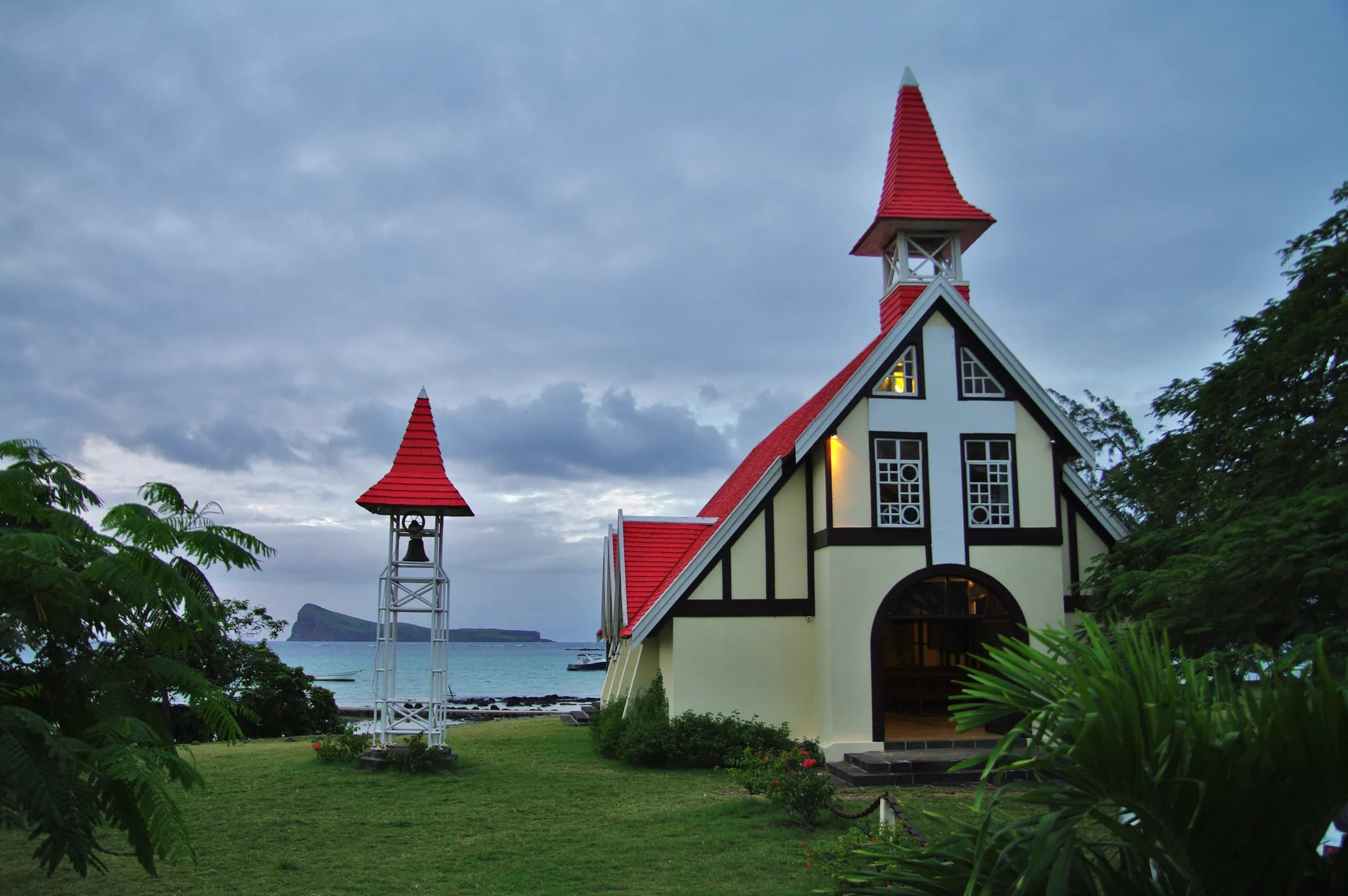
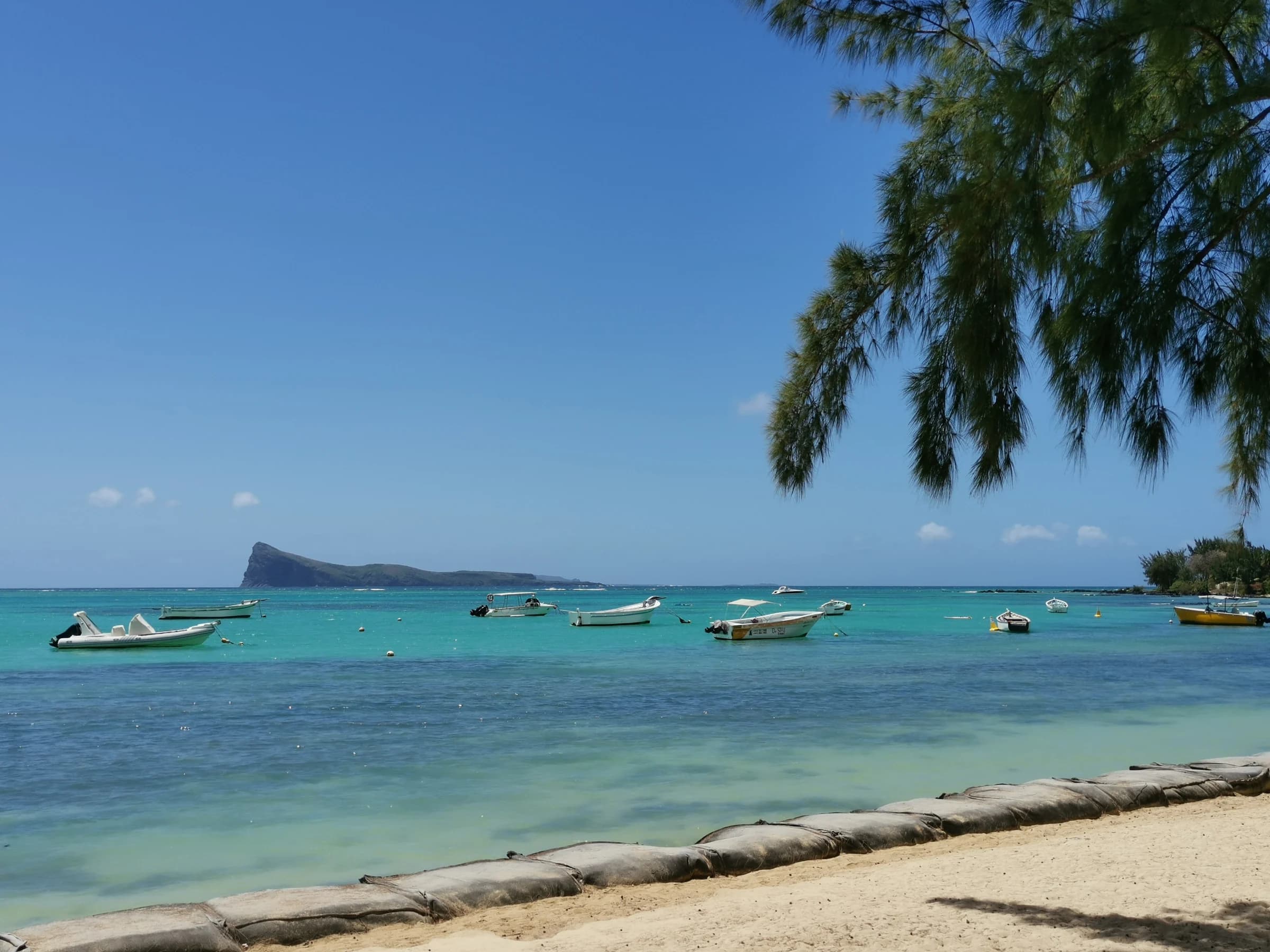
Before getting out of the car, explain that Notre-Dame Auxiliatrice is a place where people come to pray. Ask children to look for the red roof, the separate bell tower and the island offshore. This makes the stop concrete without needing a long history lesson. Keep voices low near the building and follow the instructions given on arrival. If a service or ceremony is under way, enjoy the view from an appropriate position and leave the interior for another time.
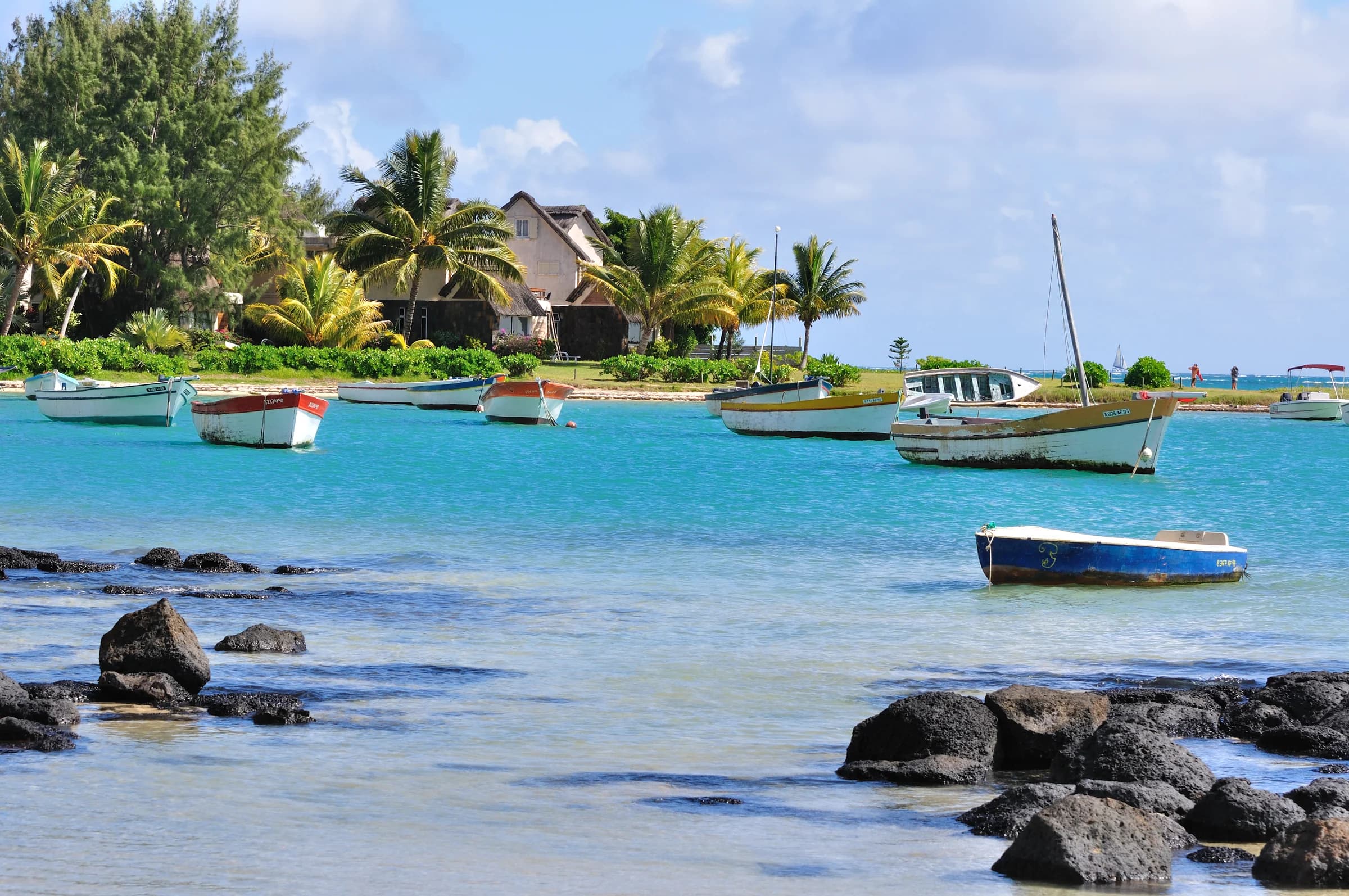
A small observation game works better than asking a restless child to stand for repeated photographs. Count the boats you can see, compare the colours of the roofs or sketch the island on a piece of paper. Keep the game away from doorways, worshippers and working equipment. The waterfront is a place to look at fishing boats, not an invitation to climb aboard or play with ropes.
Choose the beach after looking at the water
The small shoreline by the church is part of the appeal of Cap Malheureux, but a picturesque view is not a swimming assessment. Rocks, boats, depth, wind and the state of the sea all matter. Bain Bœuf and Péreybère are separate public beaches that can be considered for the next stop. Neither name is a guarantee of suitable conditions for your child. Check the exact entry point, current advice and any marked swimming area before unpacking for a long stay.
Ask about local conditions and keep children away from boat movements, mooring lines and slippery edges. If you cannot establish an appropriate place to enter the water, make it a beach-view visit. Families do not need to swim at every coastal stop to enjoy the outing. A beach can be a place to sit, draw or watch the changing water while the swimming part of the day happens somewhere better suited to your family.
Make supervision a clear responsibility
Decide which adult is watching the children near water and hand over explicitly when that person needs a break. The Mauritius National Coast Guard stresses continuous attention and warns against distractions such as phones. Do not treat swimming ability, shallow-looking water or the presence of other families as a substitute. Avoid assuming a lifeguard is on duty; establish what supervision and assistance are actually available at your chosen beach.
Leave inflatable toys for the pool rather than relying on them in the sea. Coastal rescue guidance warns that wind can carry them away from shore. The World Health Organization also identifies close adult supervision as central to preventing childhood drowning. Keep the day comfortable enough that the supervising adult can concentrate. If one person is trying to take photographs, organise lunch and watch several children at once, simplify the activity before continuing.
Pack for a short outing that may last longer
Bring drinking water, familiar snacks, hats, appropriate sun protection, a change of clothes and a small bag for wet items. A light extra layer is useful if the coastal breeze makes a wet child uncomfortable. Put the things needed first near the top of the bag. You should not have to unpack the whole day beside the road to find a hat or a clean shirt. Keep a little water for the journey home rather than using everything at the first stop.
Plan a real shade break instead of assuming there will be a convenient empty place exactly when you need it. Footwear that stays on is more practical around uneven ground than loose shoes a child repeatedly drops. Carry out food packaging and other rubbish. Keep snacks away from the water’s edge so eating does not distract from supervision, and choose a settled place to rest before deciding whether to continue.
Check pushchair and mobility needs at the exact stop
A small coastal village can still be awkward with a pushchair or wheelchair. Road edges, surface changes, sand and the route from a parking place to the viewpoint matter more than the general label of an easy visit. This guide has no verified current measurements for a continuous step-free route, accessible toilet or church entrance. If those features are essential, obtain a recent description or photographs of the exact approach before setting out.
With a pushchair, choose the point where you can stop comfortably rather than trying to reach every stretch of sand. Agree who will manage the equipment and who will stay with the child during unloading and crossings. A short visit from a suitable nearby drop-off may work better than an extended walk along the coastal road. Do not assume the different public beaches are connected by a continuous level promenade.
Sort out lunch, toilets and the return journey
Confirm a suitable meal stop before a child becomes hungry, especially if you need specific food, a high chair or space for a pushchair. Do not build the day around an unverified beach-stall opening time. The wider northern area gives you more options, but a restaurant’s menu and opening hours still need checking for your date. Make a toilet stop before the outing when possible; this guide does not promise maintained open toilets at each viewpoint.
For a taxi or private transfer, request the correct child seat in advance and confirm the arrangement, rather than simply mentioning that children are travelling. Agree the route, waiting time and fare before departure. If using buses, check the actual service and return options locally. Carry manageable bags and allow time to board. A direct return arrangement can be worth choosing when naps, equipment or mobility needs make an uncertain final connection inconvenient.
Keep a useful alternative for wind and rain
Read the weather forecast and any sea warnings before leaving. Under a high-wave warning, Mauritius Meteorological Services advises avoiding the beach and sea. That is a reason to change the outing, even if your plan was only to look at the water. A quieter meal, time back at your accommodation or a separately checked indoor attraction can make a better family day than persisting with uncomfortable coastal conditions.
Treat a northern-islands boat trip as a separate decision, not an automatic extension of the church stop. Ask the operator about the child’s age, suitable equipment, journey length, toilet arrangements and cancellation conditions, and consider the day’s sea forecast. You can appreciate Coin de Mire from the shore without taking a boat. Ending the visit while everyone still has energy is often the best way to leave children interested in the next place.
The questions you’re asking
Is Cap Malheureux worth visiting with a toddler?
Yes, as a short stop shaped around your toddler’s routine. The church and boats provide a clear focus without a long visit. Arrange shade, food, a suitable approach and an easy return rather than expecting the village stop to fill an entire day.
Can children swim beside the red-roofed church?
Do not choose a swimming place from the photograph alone. Assess the actual water, rocks, boat movements and local instructions. If an appropriate area cannot be established, enjoy the view and choose a separate swimming stop.
Is Bain Bœuf or Péreybère better for families?
Choose according to conditions and the practical needs of your family on the day. Look at access, the water entry, any marked swimming area, boat activity and assistance available. Both are separate beaches worth researching, rather than interchangeable promises of calm water.
Can we manage without a car?
A taxi arrangement or locally checked bus service may suit your outing. With younger children, confirm child seats where needed, the actual return plan and the amount of equipment you can comfortably carry. Avoid relying on an assumed late bus or a long roadside walk.
Sources and review
This guide was reviewed on 30 October 2026. Service times, sea conditions and access arrangements can change. Suggested durations are planning estimates.
- Mauritius Tourism Promotion Authority, Cap Malheureux church
- Beach Authority, proclaimed public beaches
- Mauritius Police Force, National Coast Guard advice
- World Health Organization, drowning prevention
- RNLI, inflatables and coastal safety
- Mauritius Meteorological Services, high-wave precautions
- Mauritius Tourism Promotion Authority, getting around