Your visit at a glance
- For a hand-held lunch
- Dholl puri or a filled roti
- For a small savoury snack
- Gâteaux piments or samosas
- For noodles or broth
- Mine frite, mine bouilli or boulettes
- For less heat
- Order chilli on the side before filling or cooking
Build a meal, not a food checklist
Choose one substantial dish and one smaller thing to taste. A filled flatbread followed by a little fruit makes a different lunch from a plate of noodles followed by fritters. Ordering everything at once is rarely the most enjoyable introduction, especially before a beach afternoon. If you are sharing, divide the first order and see how hungry everyone remains. Leave room for the dish that catches your attention at the next counter.
A snack is not always a packaged nibble. On a Mauritian shopfront, the word can refer to a small place cooking proper meals. Look at what is being served and whether there are tables. A counter with bread and ready fillings can suit a short stop; a kitchen preparing individual wok dishes calls for more time. Plan around the actual style of service rather than the size of the building.
Dholl puri, roti and farata
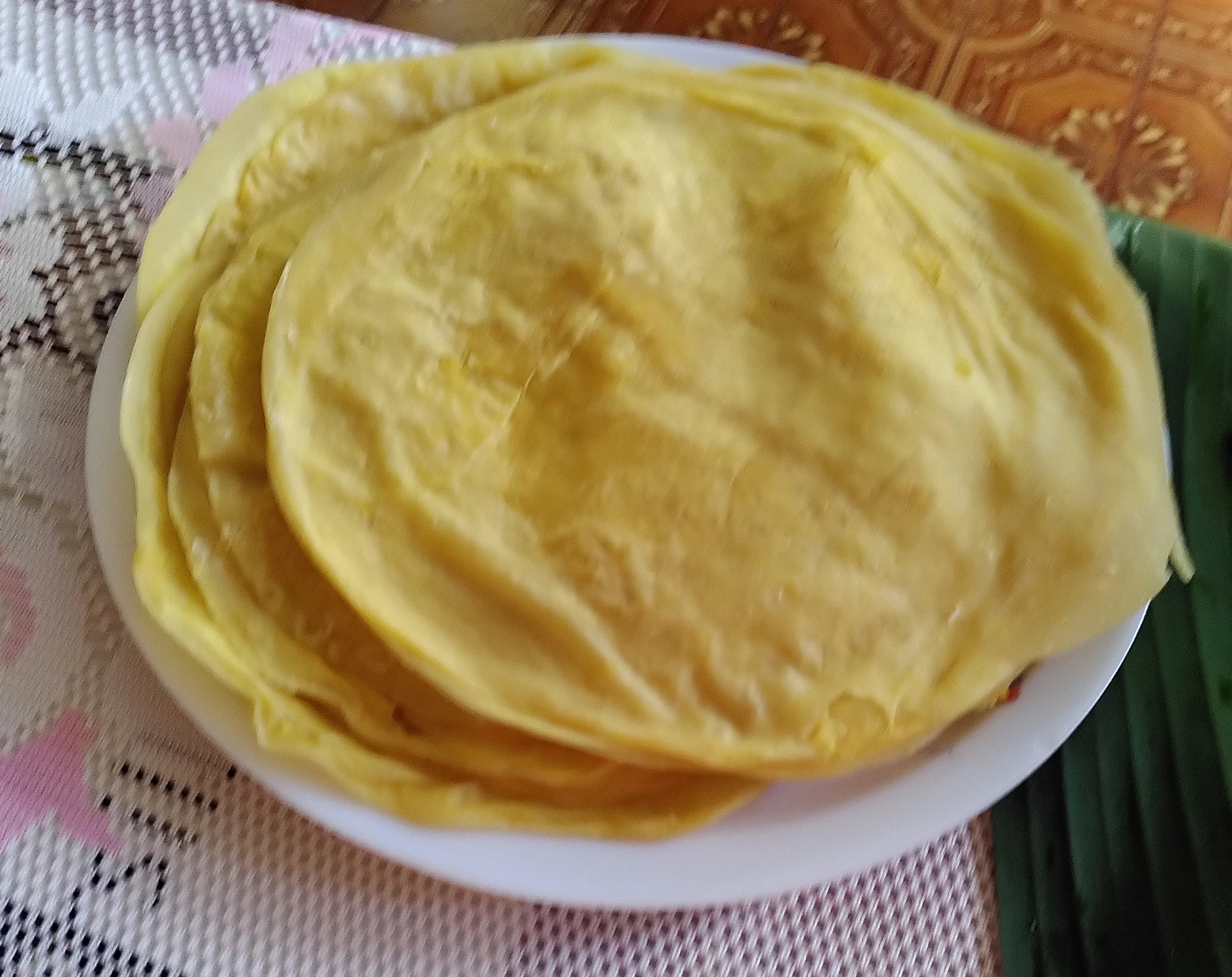
Dholl puri is a thin flatbread with ground split peas inside. Roti and farata belong to the wheat-flatbread family; the precise names and preparations vary between sellers. Fillings turn the bread into lunch. You may see bean curry, vegetables, tomato-based sauce and pickles assembled together. The bread, filling and chilli are separate decisions, so speak before the seller finishes wrapping your order.
Ask what one portion contains, particularly when buying for several people. Dholl puri is commonly served as a pair, whereas another bread may be counted individually. A familiar photograph is not a reliable guide to the size of the order in front of you. For a first taste, choose a filling you like, keep the extra chilli separate and eat while the bread is still supple. Carrying several filled wraps around a hot market is less appealing than pausing to enjoy them.
Gâteaux piments and the fritter counter
Despite their name, gâteaux piments are savoury split-pea fritters, not sweet cakes. They offer a crisp exterior and a softer centre with herbs and chilli. Samoussas are folded pastry parcels whose filling can be vegetable, fish or meat. You may also encounter other fried snacks, but the shape alone does not identify the ingredients. Point out the item you want and establish whether the price is for one piece or a small portion.
A freshly served small order is a good way to compare textures. Start with a few pieces rather than a large mixed bag whose contents nobody remembers. If the group has different food preferences, keep the varieties apart. These snacks work well between the church and a later lunch, or with bread for something more filling. They are less convenient when you need both hands for bags, a pushchair or a busy roadside crossing.
Read the noodle and dumpling menu
Mine means noodles. Mine frite points you towards a fried noodle dish; mine bouilli towards boiled noodles. Boulettes are small steamed preparations served in various combinations, often with broth. A bowl may contain several kinds, so the useful question is which pieces you are choosing. Fish, seafood, meat, vegetables and tofu appear across this wider food tradition, and one counter need not serve every version.
Decide whether you want a light bowl or a fuller plate before adding extras. Check whether the broth, noodles and dumplings form one order or are priced separately. For takeaway, soup is a different carrying proposition from a wrapped bread: you need a secure container and somewhere sensible to sit. On a northern sightseeing day, a seated noodle lunch can be a welcome change of pace after walking among market stalls.
Understand the other words on a local menu
A rougaille is built around a seasoned tomato sauce; the menu should tell you what accompanies it. Vindaye introduces a different, mustard-led preparation. Neither word alone promises a particular fish, a vegetarian dish or a fixed level of chilli. Briyani brings a rice-based meal into the picture, while bol renversé signals the upside-down rice-bowl style of presentation. These belong to the broader local-food repertoire, not an obligatory street-stall menu.
Use this vocabulary to compare dishes rather than collecting names. If you already plan grilled seafood beside the church, a bread-and-curry snack earlier gives the day more variety than a second large fish meal. If you want a full cooked lunch in Grand Baie or Pereybère, look at the actual menu before settling on a dish. Our restaurant guide separates those sit-down options from the small beach grills.
Fruit, coconut and a sweet finish
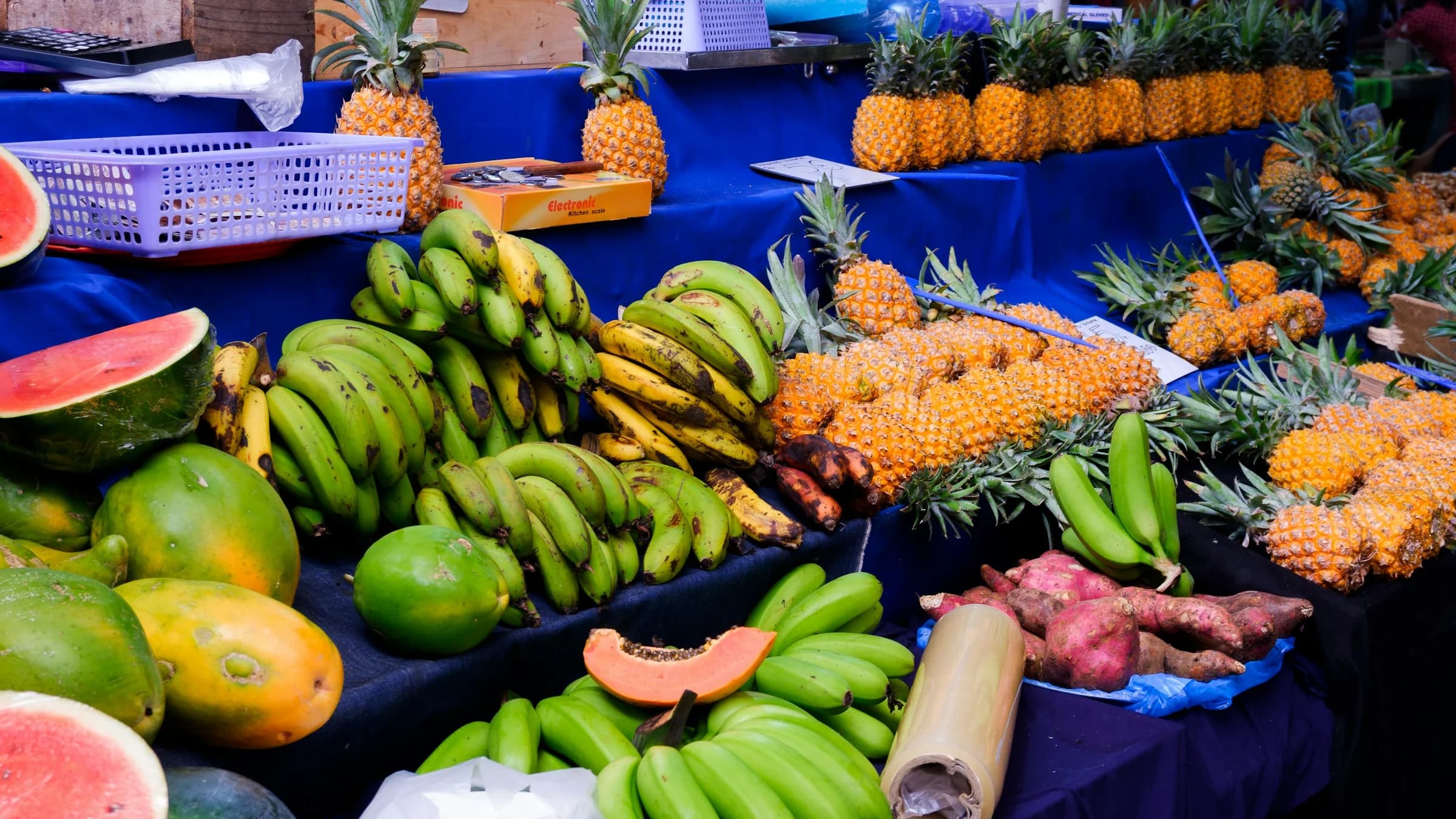
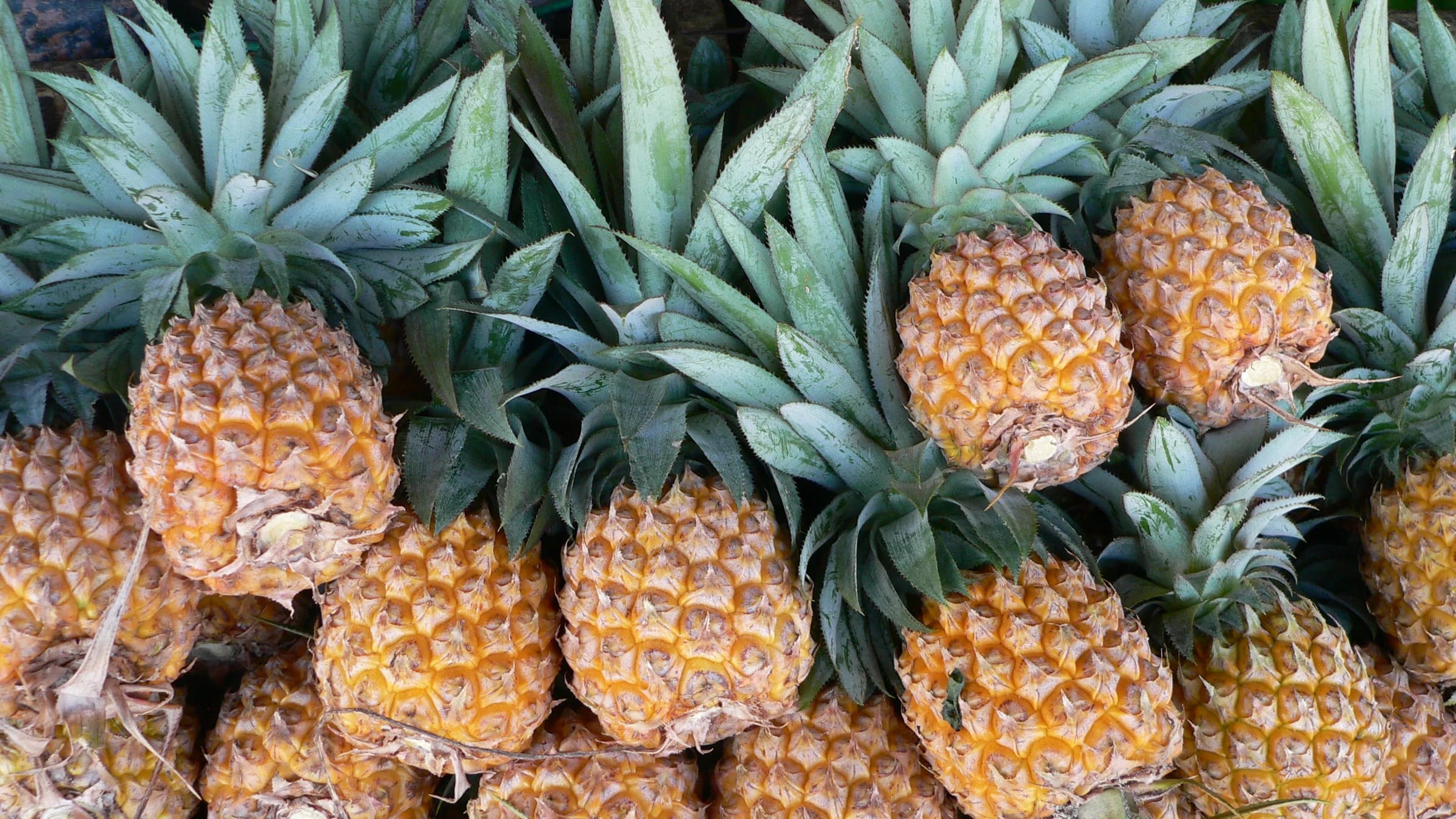
Fresh fruit is a useful way to finish a savoury stop. Pineapple, mango and jamalac may be served with salt, chilli or tamarind, so request them plain before the seller dresses the portion if that is your preference. A whole fruit for your accommodation and a peeled portion to eat immediately are different purchases. The fruit guide explains the local names and seasonal choices in more detail.
Alouda is a sweet milk-based drink, often with seeds and jelly; it is not a dairy-free fruit juice. Coconut water offers a different kind of stop, especially when a seller opens the fruit to order. Choose according to appetite rather than adding several sweet drinks to a tasting round. Have ordinary drinking water with you as well. A snack walk should leave you comfortable enough to enjoy the rest of the coast.
Choose the right place in the north
Cap Malheureux has a working village food scene around the coastal road and church area. Local reporting in November 2025 described a small blue roadside snack hut selling rotis, samosas, gâteaux piments and coconut water, as well as separate fish sellers and beach grills. These are distinct businesses and types of stop. The report is useful context for the village, not a current promise that every counter will be open on your visit.
Goodlands makes more sense when the market itself is part of the outing. Grand Baie and Pereybère offer a wider town-and-beach setting for combining errands, a cooked meal and the return journey. Do not travel to a souvenir bazaar expecting a produce fair, or assume that a fish stall will cook your purchase. Pick the outing first, then decide where food belongs within it.
Order clearly at a small counter
Give the quantity first, then the filling or individual items and your preference for chilli. If the seller offers several sauces, taste a small amount before adding more. Confirm the price and whether it covers the full portion, and carry small Mauritian rupee notes for a simple transaction. Do not assume a particular stall accepts cards. Keep your order together so that other customers can use the counter too.
If an ingredient must be avoided, name it plainly and discuss both the dish and its preparation. A vegetable filling does not establish which stock, fat or utensils were used. A dietary preference and a serious allergy also require different conversations. For children, order a modest first portion with sauces separate where possible. You can add food afterwards; removing chilli from an already mixed dish is much harder.
A simple food plan for a Cap Malheureux day
For a church-and-beach morning, take a light snack when it suits your appetite, leave time to look around the chapel and shoreline, then choose either a barbecue lunch or your next beach. For a produce-market morning, buy only what you can comfortably carry, eat before the return trip and save soft fruit for a short journey back to your accommodation. Both plans work better with one main meal than with a chain of tightly timed food stops.
Keep the village practicalities in mind while eating. Stand clear of shop entrances, bus stops and fishing access; cross the road with your attention on traffic rather than a plate. Take packaging away and keep food out of the lagoon. If the counter you hoped for is closed, choose another kind of meal from the guide rather than stretching a hungry group across several towns. The point is to enjoy the north through its food, at a pace that fits your day.
The questions you’re asking
What is a good first Mauritian street-food order?
A filled dholl puri or roti, with extra chilli separate, is an easy starting point. Add a small portion of gâteaux piments or fruit if you are still hungry. Confirm the serving size before ordering for a group.
Are gâteaux piments sweet?
No. They are savoury split-pea fritters. Their name does not tell you exactly how hot an individual seller makes them, so start with a small portion.
Can I find this food beside the Cap Malheureux church?
The village has documented snack counters and beach grills, but they are separate businesses with their own trading patterns. Choose from what is actually serving, and use the beach-barbecue guide if you want fish or lobster rather than a quick snack.
Is Mauritian street food automatically vegetarian?
No. Some breads, vegetable fillings and pulse-based snacks may suit a vegetarian meal, but ingredients and preparation vary. Ask about the actual filling, stock and cooking method when avoidance matters.
Should I combine a market visit with a seafood lunch?
Yes, if the journey leaves you enough time. Keep the market tasting light and make lunch the main meal. Goodlands produce-market days and the beach grill’s own service are separate schedules; plan both rather than assuming one guarantees the other.
Sources and review
This guide was reviewed on 30 October 2026. Service times, sea conditions and access arrangements can change. Suggested durations are planning estimates.
- Mauritius Tourism Promotion Authority, Mauritian food
- Mauritius Tourism Promotion Authority, food stops and island culture
- Air Mauritius, Sweet and Spicy, a Culinary Tour of Mauritius
- 5-Plus, reporting from Cap Malheureux, 18 November 2025
- Mauritius.com, street-food dishes and their ingredients
- Grand Baie restaurant reference for Creole menu vocabulary