Your visit at a glance
- Time to allow
- 60–90 minutes as a photography planning allowance
- Starting point
- Notre-Dame Auxiliatrice and the nearby waterfront
- Useful extra stop
- Bain Bœuf for a different view towards Coin de Mire
- Simple kit
- Phone or camera, lens cloth, water and sun protection
Build a sequence around three different views
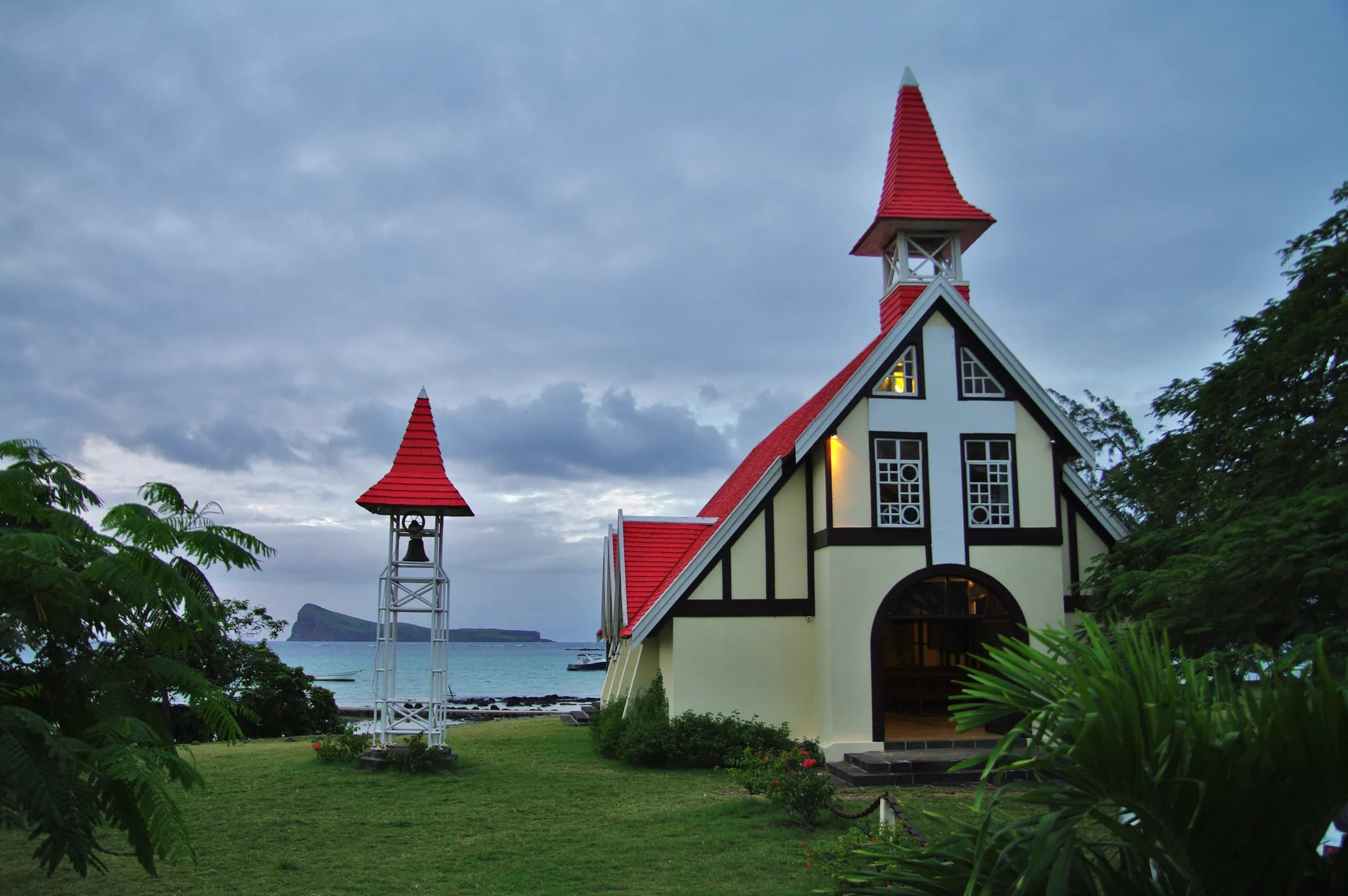
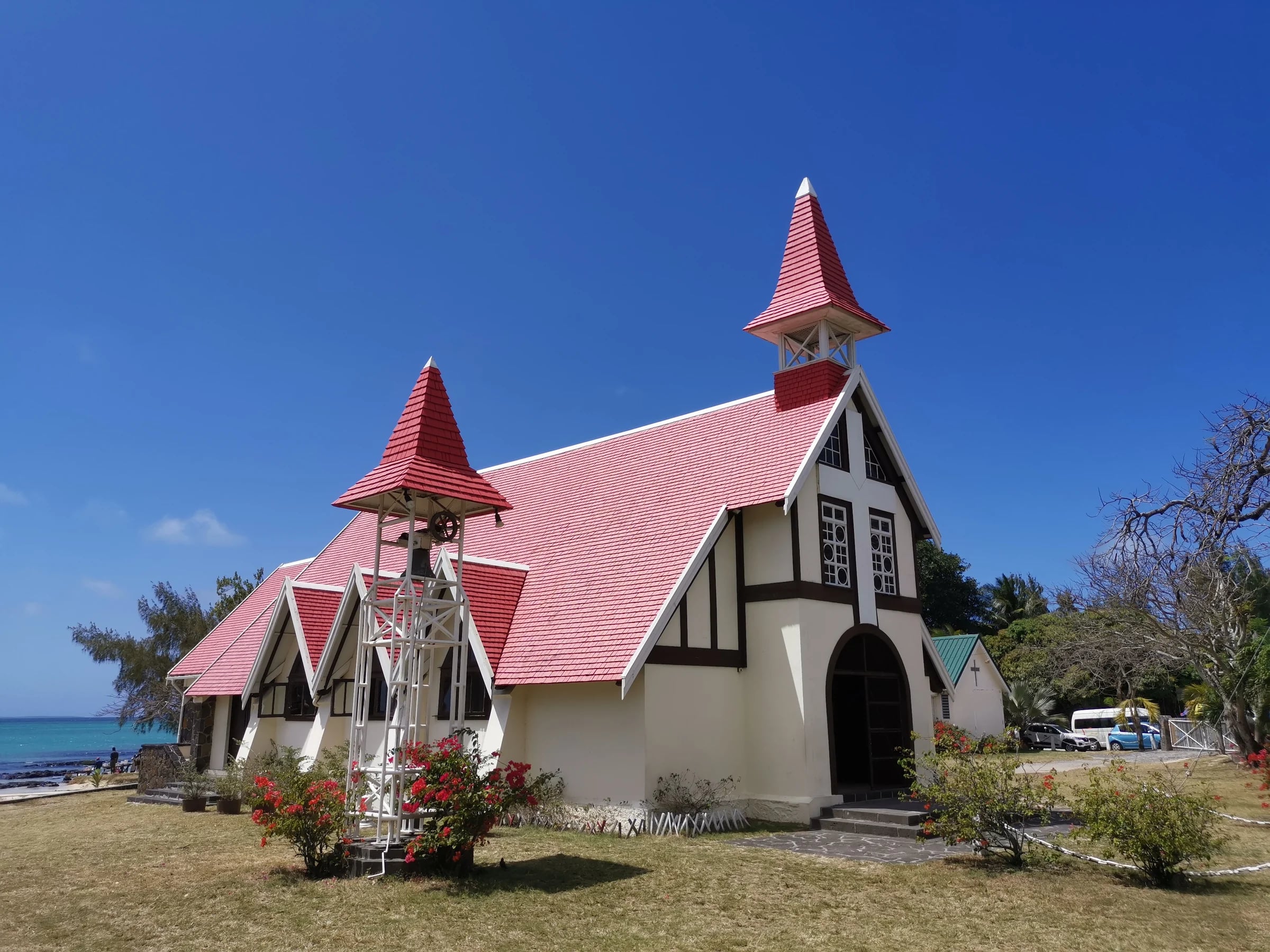
Begin with the church as a complete building. Include the roof, the separate bell tower and enough surrounding space to explain the setting. Then turn towards the waterfront for fishing boats and the offshore silhouette of Coin de Mire. Finish with a closer detail, such as a roof edge, a timber frame or the meeting of dark shoreline rock and pale water. These three scales tell more of the village than a dozen nearly identical pictures from the entrance.
Walk a few steps before changing lenses. A small change in position can separate the bell tower from the main roof or move a boat away from the horizon. Use established paths and accessible shore positions, and keep the church entrance clear. The best viewpoint is one you can reach comfortably without interrupting another visitor or needing to balance on wet rock.
Choose your light rather than a fixed magic hour
Early and late daylight can soften the contrast between the bright roof and shaded walls. Midday can make the lagoon look vivid, but strong overhead light also darkens doorways and makes people squint. A thin layer of cloud is useful for architectural details because the light becomes more even. There is no single hour that guarantees the best photograph in every season, especially when cloud and wind change quickly.
If you have flexibility, look at the weather forecast and the actual sky before deciding when to stop. Check sunset for your travel date, then allow enough time to arrive, park and explore before it. The sun does not stay in the same position relative to the church and Coin de Mire throughout the year. Treat any exact sunset alignment you have seen online as a photograph to investigate, not a permanent feature of the viewpoint.
Give the red roof and bell tower room
The church is small enough that a very wide lens can distort it unnecessarily. Start with the normal camera setting, step back where space allows and keep the phone reasonably upright. Check the top of the steeple before you press the shutter. It is easy to cut off its tip while concentrating on the doorway. Leave a little extra space around the building so you can straighten or crop the photograph later.
Look for a position where the bell tower remains distinct from the church rather than merging into its roof. Branches can frame the building, but they can also run directly across the steeple. Make one picture with the surroundings and another with a cleaner outline. For a landscape frame, avoid putting the main roof against the very top edge. For a vertical photograph, include enough foreground to stop the building appearing squeezed into the frame.
Use the boats and island to show the coast
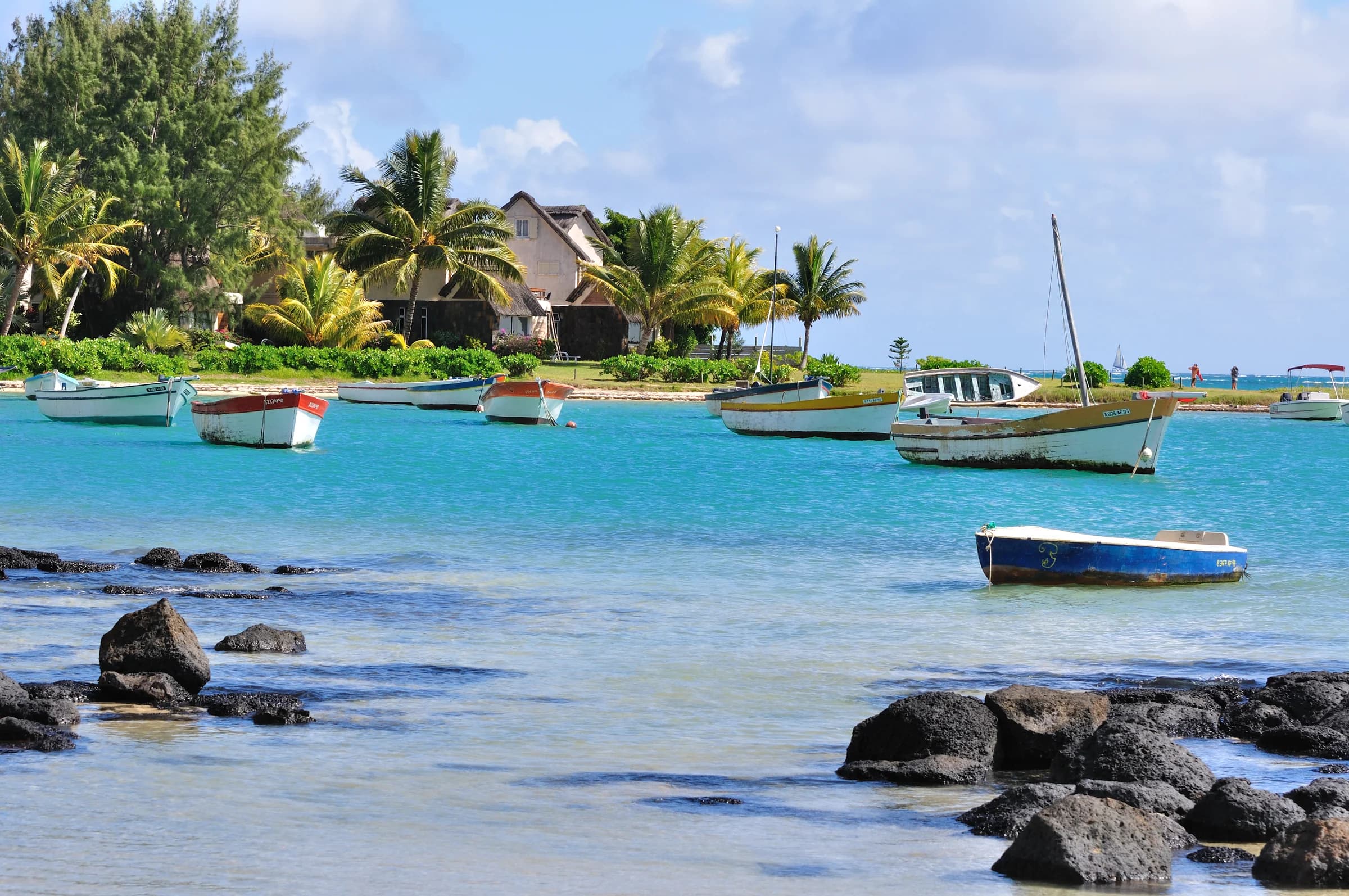
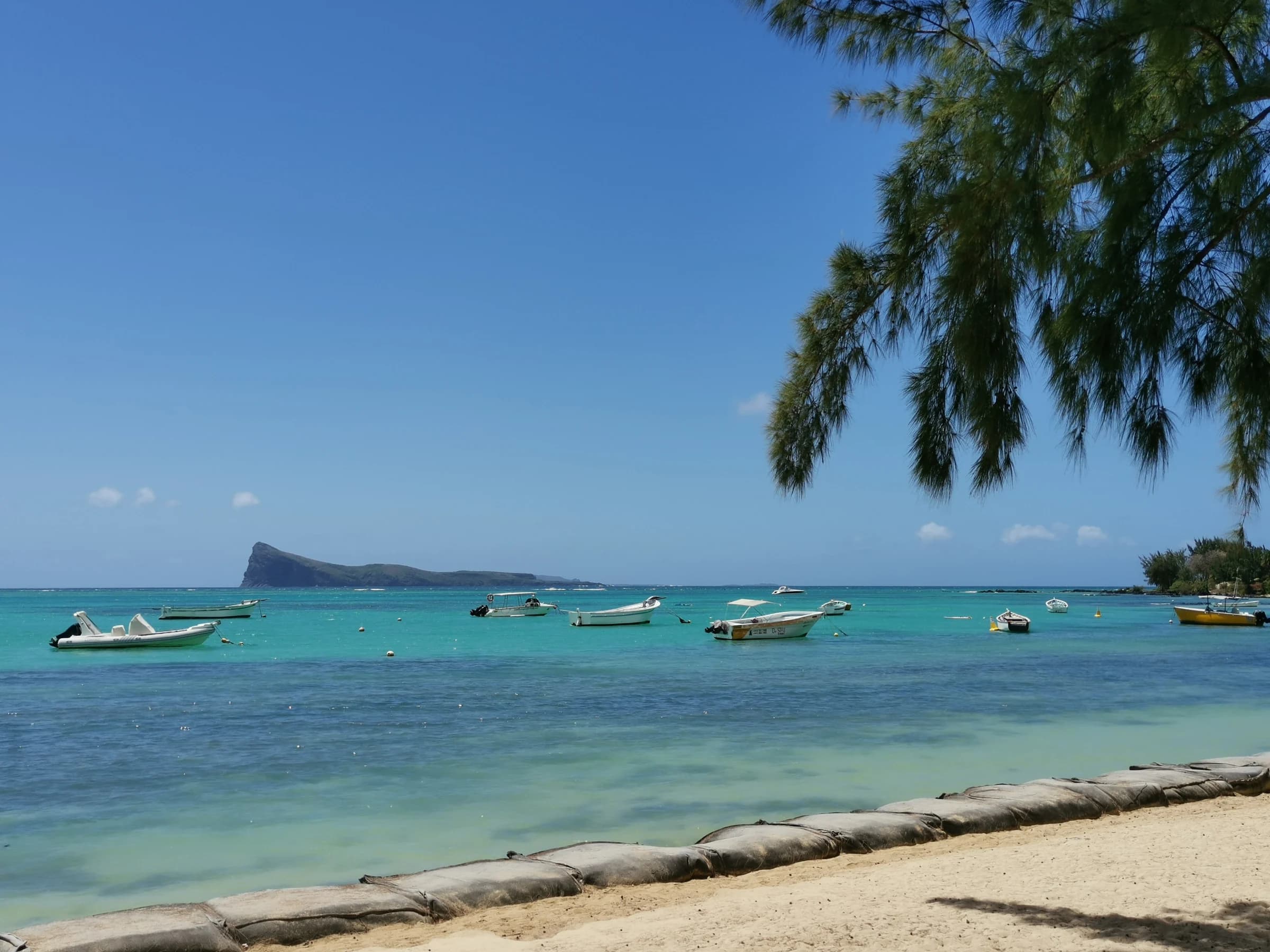
The waterfront is a working setting, and boats give the scene scale. Photograph them from shore without stepping aboard, moving ropes or touching equipment. A boat in the foreground and Coin de Mire farther out can connect the village to the wider northern seascape. Keep the horizon level and decide whether the photograph is mainly about the sky, the water or the boats rather than giving each an accidental equal share.
Bain Bœuf offers another coastal view towards Coin de Mire and makes a useful separate stop. Do not assume there is a continuous easy beach walk between every viewpoint. Plan the transfer using the actual roads and access points. Tides change how much rock, sand and shallow water is visible. Consult the tide table for context, while judging your footing and the sea on arrival. A visually attractive low tide does not establish safe swimming conditions.
Get a cleaner result with a phone
Wipe the lens before you start. Sunscreen, salt spray and fingerprints can turn the bright sky into a milky blur. Tap on the church to set focus, then reduce exposure slightly if the white walls or sky lose their detail. Take a second version if the contrast is difficult. A modest adjustment is usually more useful than a heavy filter that makes the roof unnaturally red or the lagoon fluorescent.
Use the normal lens for architecture and reserve a wider view for a deliberate scene with foreground and sky. Digital zoom can make the distant island look soft, so make the coast the subject when your camera cannot resolve the island clearly. Check one photograph at full size before leaving. A quick review can reveal a tilted horizon, an intrusive branch or a person crossing the frame while you still have time to make a better version.
Photograph a place of worship thoughtfully
Notre-Dame Auxiliatrice is an active chapel within Saint-Michel parish. The parish publishes Mass information, which is useful when planning a visit. Keep worshippers, ceremonies and access to the building ahead of the photograph you had in mind. If a service is taking place, make your architectural pictures elsewhere and return later if appropriate. Do not turn a doorway, aisle or gathering into a backdrop that people must negotiate around.
Ask before photographing identifiable people at close range, including fishers at work. Inside, follow any instructions given locally and ask whether photography is welcome. Avoid flash and disruptive equipment. A brief handheld photograph, when permitted, is often more considerate than a prolonged setup. Wedding portraits, commercial shoots and equipment-heavy sessions need a conversation with the people responsible for the location before you arrive, rather than an assumption that ordinary visitor access covers every use.
Let conditions decide how close you go
Check the Mauritius Meteorological Services forecast and warnings before a coastal photo outing. Under a high-wave warning, the service advises staying away from the beach and sea. A dramatic sky or splash is not a reason to move closer. Keep your return route simple, especially as light fades, and put the camera away when crossing the coastal road. A photograph of a road or doorway can wait until you have stopped in a suitable place.
Carry a small bag that closes against a shower, along with a dry lens cloth. Keep equipment out of direct sun when you are resting and secure a hat before wind carries it towards the water. After rain, use firm ground instead of polished or algae-covered rocks. If the weather makes the shoreline uncomfortable, concentrate on a permitted architectural view or postpone the waterfront part of the visit.
Make a short visit feel unhurried
For a simple photography visit, allow around an hour to an hour and a half as a planning estimate. Start with a few minutes without the camera, then make the wider church photograph, explore the waterfront and finish with details. This is an allowance for looking and composing, not a prescribed walking route or a promise about opening hours. Add transfer time separately if Bain Bœuf is part of the outing.
If you are travelling with someone who does not enjoy photography, agree a short first stop and a meeting point, then leave the more deliberate shooting for another visit. Choose a small set of photographs before moving on rather than repeatedly rebuilding the same picture. The aim is to return with an architectural view, a coastal scene and a detail that belong together, while still remembering what the place felt like away from the screen.
The questions you’re asking
Is sunset always the best time to photograph Cap Malheureux?
No. Soft early or late light can suit the church, while brighter conditions may show more colour in the water. Cloud, season and the exact viewpoint matter. Check the sun’s position for your date rather than expecting it to set behind a particular landmark.
Do I need a drone for the classic view?
No. The church, bell tower, boats and Coin de Mire can be photographed from accessible ground-level viewpoints. This guide does not establish drone permission. If you plan to fly, check current aviation requirements and the permissions needed for your exact location first.
Can I take photographs inside the church?
Ask locally and follow any displayed instructions. A service, private ceremony or instruction from the people responsible for the chapel takes precedence. Do not assume interior access or photographic permission from an open door.
Should I plan the whole visit around low tide?
Low tide changes the foreground and may reveal more rock, but it is not automatically the best photograph. Light, clouds, boats and your preferred composition also matter. Use tide predictions as planning context and assess the actual shoreline when you arrive.
Sources and review
This guide was reviewed on 30 October 2026. Service times, sea conditions and access arrangements can change. Suggested durations are planning estimates.
- Mauritius Tourism Promotion Authority, Cap Malheureux church
- Diocese of Port-Louis, Saint-Michel parish
- Mauritius Meteorological Services, tide predictions
- Mauritius Meteorological Services, high-wave precautions