Your visit at a glance
- Time to reserve
- Keep a full day available for a multi-stop excursion
- Departure
- Use the exact meeting point confirmed for your booking
- Coin de Mire
- Public landing is prohibited
- Before paying
- Confirm itinerary, equipment, transfers and weather terms
Understand which islands the trip actually visits
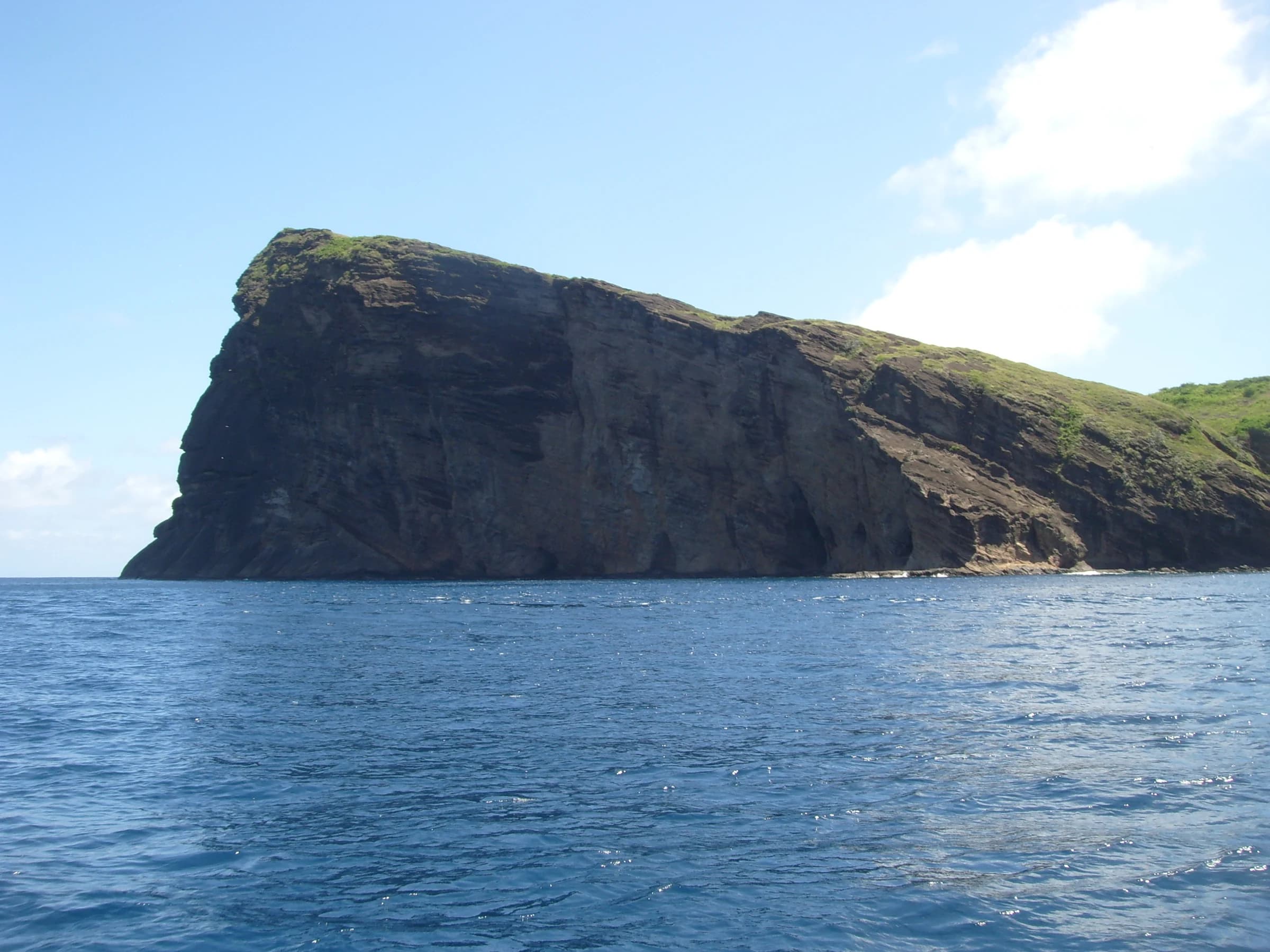
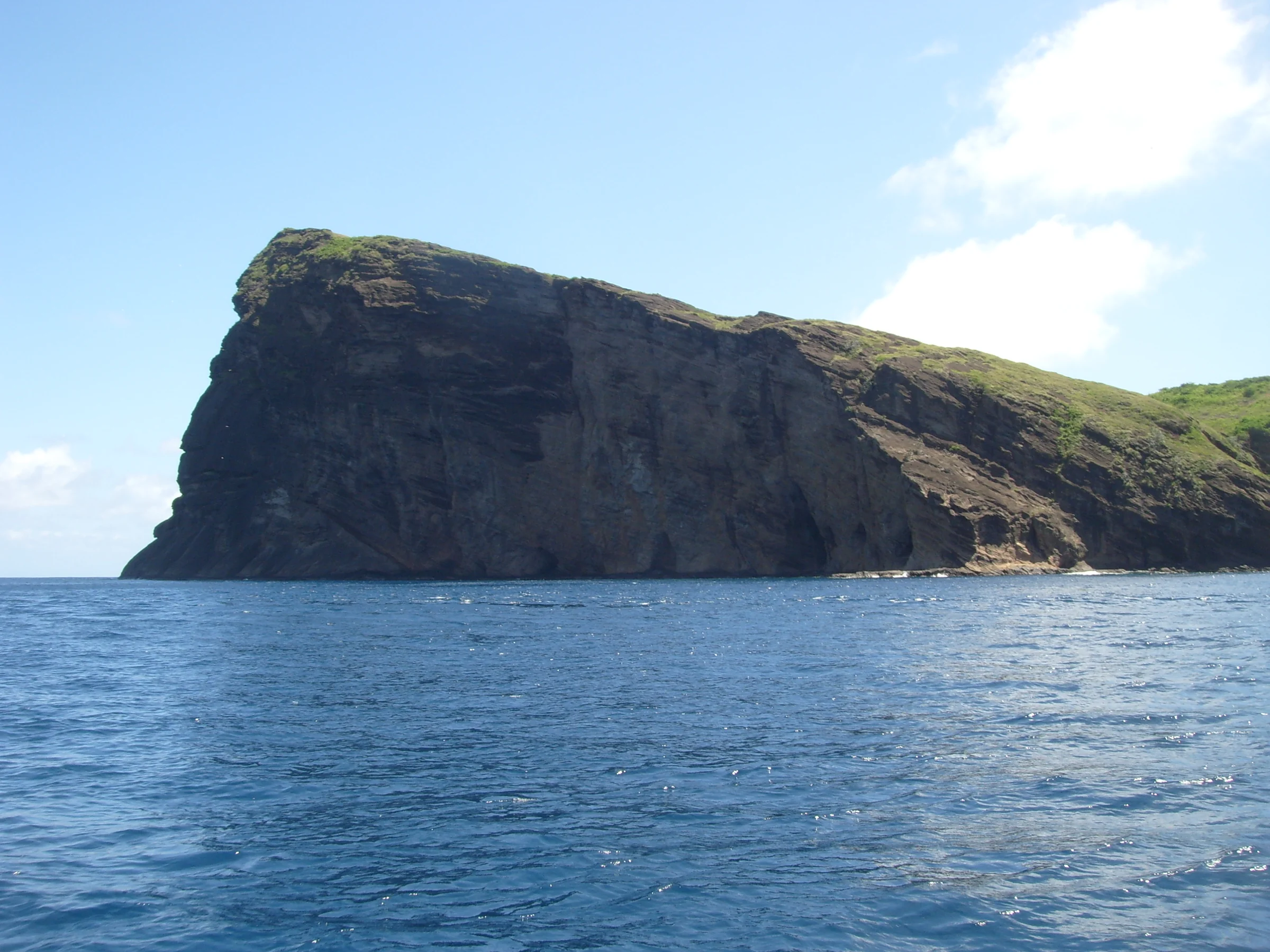
Coin de Mire is the dramatic rocky island seen from the northern coast. Public landing is prohibited, so a trip that includes it should explain whether that means a view from the boat or a water-based stop in suitable conditions. Île Plate, also called Flat Island, and nearby Îlot Gabriel are separate destinations. Île Plate has a former quarantine-station history and a lighthouse. These distinctions matter when comparing a two-island or three-island itinerary.
Ask for the proposed sequence in writing, including the island where passengers are expected to go ashore and the amount of time allocated there. Treat access and landings as subject to the applicable permissions and conditions. A photograph of a beach does not explain how you will reach it, whether the boat stops there or what changes if the sea prevents a landing.
| Place | What to clarify |
|---|---|
| Coin de Mire | Viewing or a permitted water activity, with no public landing |
| Île Plate | The intended landing point and the actual time ashore |
| Îlot Gabriel | Whether the itinerary includes a landing or simply a nearby stop |
Confirm the departure before arranging your transfer
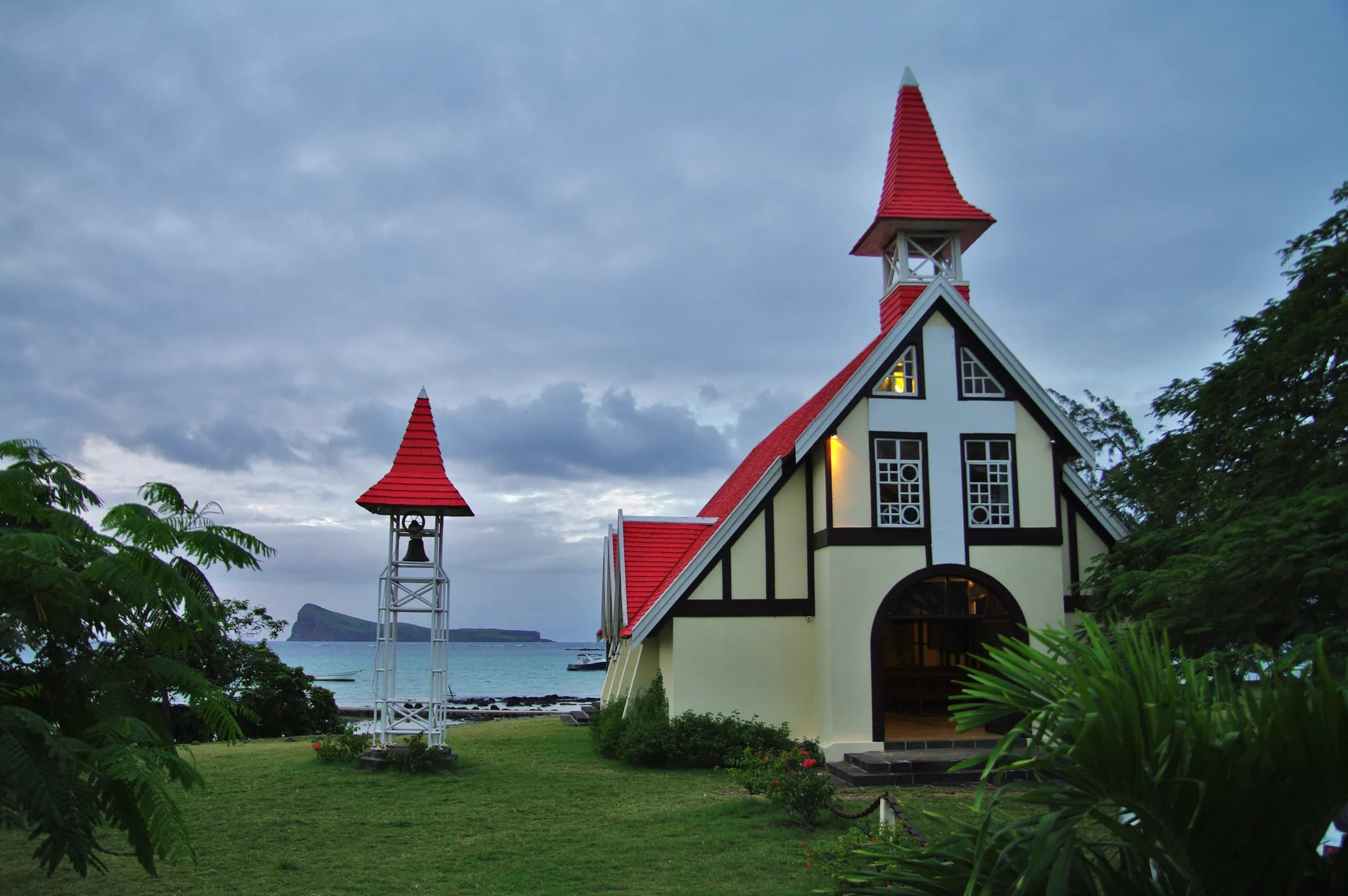
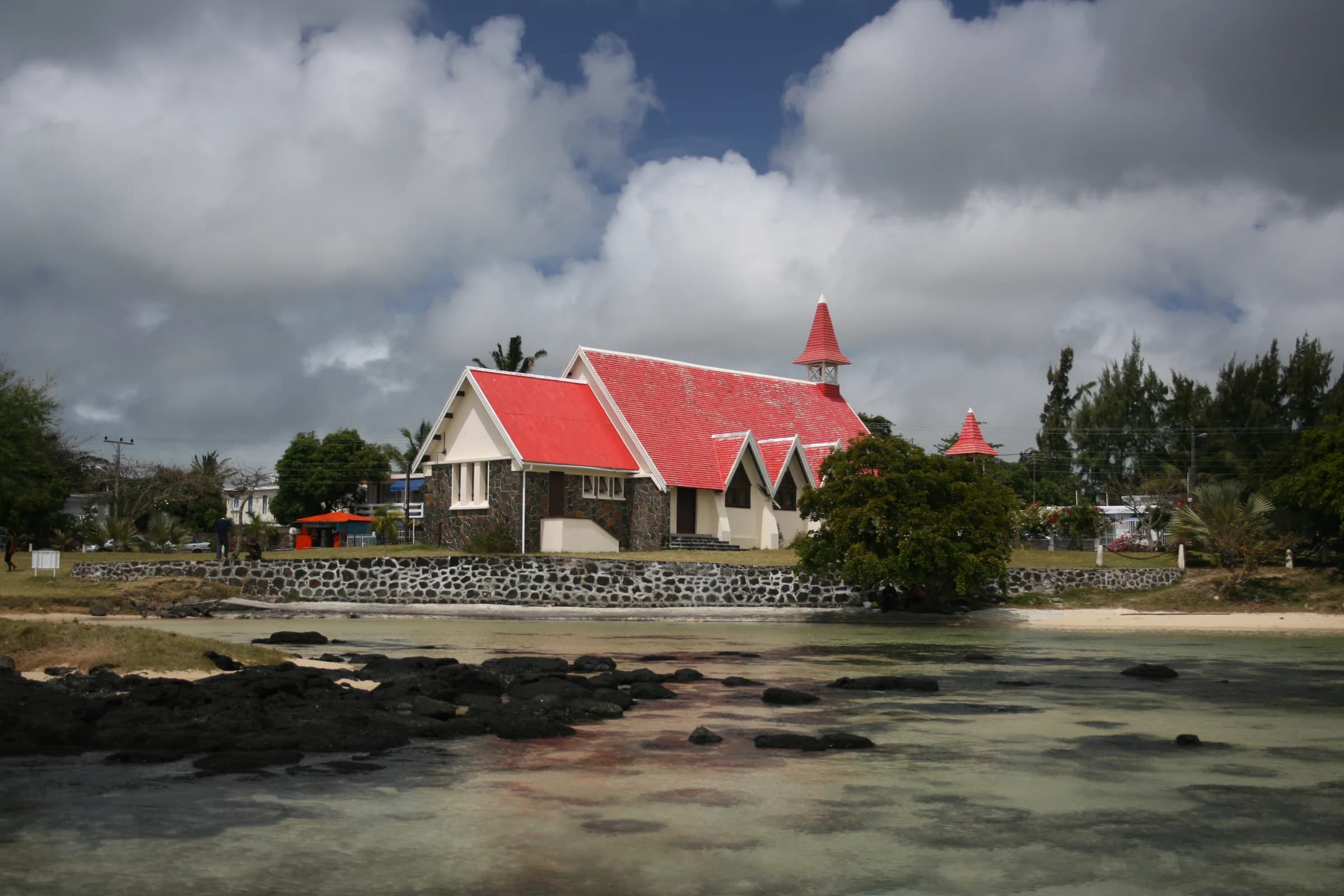
Do not use the church at Cap Malheureux as a default meeting point. Northern-island excursions can have different boarding arrangements, and the location associated with an operator is not necessarily where your boat leaves. Obtain a map pin, the written meeting instructions, the check-in time and a contact number. Distinguish the time passengers must arrive from the expected sailing time. If your confirmation is vague, resolve it before booking a separate taxi.
Ask whether boarding is from a jetty, a beach or a smaller transfer boat. This affects footwear, luggage and whether a person with limited mobility can manage the approach. Confirm parking or drop-off instructions and where your return driver should wait. If accommodation transfers are included, check the actual pickup location and whether the journey is shared. Keep the confirmation available offline rather than relying entirely on a mobile connection beside the water.
Compare the boat you will use, not only its label
A catamaran, speedboat or other excursion vessel can offer a different experience, but the category alone tells you little about the exact seating, shade or ride. Ask for the vessel description and current photographs. Check whether everyone has a seat, how much covered space is available and whether there is a usable toilet. Find out how passengers enter the water and climb back aboard. A photograph of an attractive deck may leave these practical details out.
Ask about the expected crossing time for that route, group size, safety briefing and equipment appropriate for everyone travelling. Check the relevant operator and authorisations through the Tourism Authority and clarify who actually provides the boat if you book through an intermediary. If sensitivity to motion, limited mobility or a small child makes comfort particularly important, describe that need before choosing. No boat type makes the sea forecast irrelevant or guarantees a smooth crossing.
Keep the whole day free of tight connections
For a multi-stop northern-island excursion, keep a full day available as a planning choice. The advertised time on the water does not include every transfer, check-in or wait to board. Ask for the expected return window and plan some room around it. Do not place an airport journey, a distant dinner reservation or another fixed activity immediately after the return. The precise timetable belongs to the particular booking and can change with the conditions.
If you also want to see the church, visit it on a different morning or leave it as an optional stop after the boat day. Combining everything can turn an appealing coastal visit into a hurried photograph. When staying farther from the north, include the road journey in the decision about whether this excursion suits the day. A long transfer in both directions is part of the experience even when it is sold separately.
Check food, shade and toilets before setting off
Ask what lunch includes, where it is served and whether drinking water is available throughout the outing. Confirm dietary needs in advance and obtain a clear answer about whether they can be met. A general meal-included description does not establish ingredients, allergy arrangements or the timing of food. If you need familiar snacks for a child, ask what you can bring. Compare the complete price, including transfers, equipment and any charges clearly identified by the seller.
Clarify toilet access both on the boat and during any island stop. Do not assume a beach landing comes with changing rooms, shops or reliable shade. Pack a manageable bag with sun protection, a hat, a dry layer, a towel and a way to protect items from spray. Keep essential items with you when the crew explains where belongings may be stored. Bring back your rubbish and avoid relying on unverified facilities ashore.
Discuss swimming confidence and children beforehand
Tell the operator honestly about each traveller’s swimming confidence before booking a trip with snorkelling or swimming stops. Ask whether entering the water is optional, what support is provided and how the crew chooses a suitable location. Confirm the equipment available and whether it fits the people travelling. A snorkel stop should be understood as a specific supervised activity with clear instructions, rather than an invitation to swim wherever the boat happens to pause.
For children, confirm any age rules, appropriate lifejackets, seating and supervision arrangements. Ask how a beach landing or return to the boat works in practice, including any transfer between vessels. Consider whether the length of the crossing and the time away from your accommodation suit your child’s routine. A shore-based day with a view of Coin de Mire remains a worthwhile choice when the boat arrangements do not match your family’s needs.
Read the sea forecast as well as the weather symbol
A sunny icon does not describe the crossing. Mauritius Meteorological Services publishes wind and sea information alongside its forecasts, as well as separate warnings. Read the latest relevant bulletin before the excursion and check again when the operator confirms departure. Conditions beyond the reef can differ from the water visible beside the church. Follow current warnings and the instructions of the responsible crew; an old photograph or a previous visitor’s calm trip cannot establish the conditions for your date.
Before paying, read the policy for cancellation, postponement and changes to the route. Ask what happens if the planned island landing is unavailable but an alternative trip is offered. Establish how you will be contacted, when a decision is normally made and what happens to any separately arranged transfer. If possible, place the excursion before your final available day so there is room to discuss another date without rearranging the entire holiday.
Visit with the islands’ limits in mind
Stay within the areas and activities allowed for the stop you are making. Do not press a skipper to land on Coin de Mire or extend a trip to a restricted reserve. Round Island and Serpent Island also have access restrictions and should not be treated as casual extras to a beach outing. Where a landing is permitted, follow the instructions for the site and keep away from birds, nests and vegetation that the crew identifies as sensitive.
Leave shells, plants and other natural objects where they belong. Do not feed wildlife or promise children a particular animal encounter. Photographs, a swim when appropriate and time looking at the coastline are enough to make a satisfying day. The strongest excursion choice is the one whose actual arrangements suit your interests and abilities, with clear answers about where you go, how you travel and what happens when conditions change.
The questions you’re asking
Do northern-island trips leave from Cap Malheureux church?
Use the exact departure confirmed by the operator. The church is a landmark, not a default boarding point. Obtain a map pin and distinguish check-in time, transfer pickup and boat departure before arranging your journey.
Can we land on Coin de Mire?
Public landing is prohibited. A trip mentioning Coin de Mire should explain whether it includes viewing from the boat or a permitted water activity in suitable conditions. Do not interpret the name in an itinerary as permission to go ashore.
Should I choose Île Plate or Îlot Gabriel?
Compare the actual time ashore, landing arrangements, group, boat and facilities promised for your booking. They are distinct islands and a trip may include one or both. The more useful choice is the itinerary that fits your day, rather than the longest list of island names.
Is a catamaran always better for families?
Assess the particular boat and trip. Seating, shade, toilets, boarding, suitable equipment, crossing length and the sea forecast matter. Describe the children’s ages and your practical needs to the operator before deciding, and keep a shore-based alternative available.
Sources and review
This guide was reviewed on 30 October 2026. Service times, sea conditions and access arrangements can change. Suggested durations are planning estimates.
- Mauritius Tourism Promotion Authority, northern islands
- Forestry Service, prohibited activities on nature reserves
- Tourism Authority, licensed tourism businesses
- Mauritius Meteorological Services, seven-day forecast
- Mauritius Meteorological Services, heavy-swell warnings
- Mauritius Tourism Promotion Authority, getting around