Your visit at a glance
- Warm, humid season
- November to April
- Cooler, drier season
- June to September
- Transition months
- May and October
- Time zone
- Mauritius local time, UTC+4
Start with the seasons, without treating them as a forecast
Mauritius Meteorological Services describes a warm, humid summer from November to April and a relatively cool, dry winter from June to September. May and October are transition months. These broad patterns are useful when deciding what to pack and how you would like a holiday to feel, but they do not tell you whether it will rain during a particular church visit.
Cap Malheureux is a coastal destination, while published island-wide averages combine different locations and elevations. Avoid reading a national temperature as the exact temperature on the beach. The daily bulletin and the conditions at your chosen spot are more relevant once you are here. A little preparation lets you adapt without turning every passing cloud into a reason to abandon the day.
Choose a travel period around your priorities
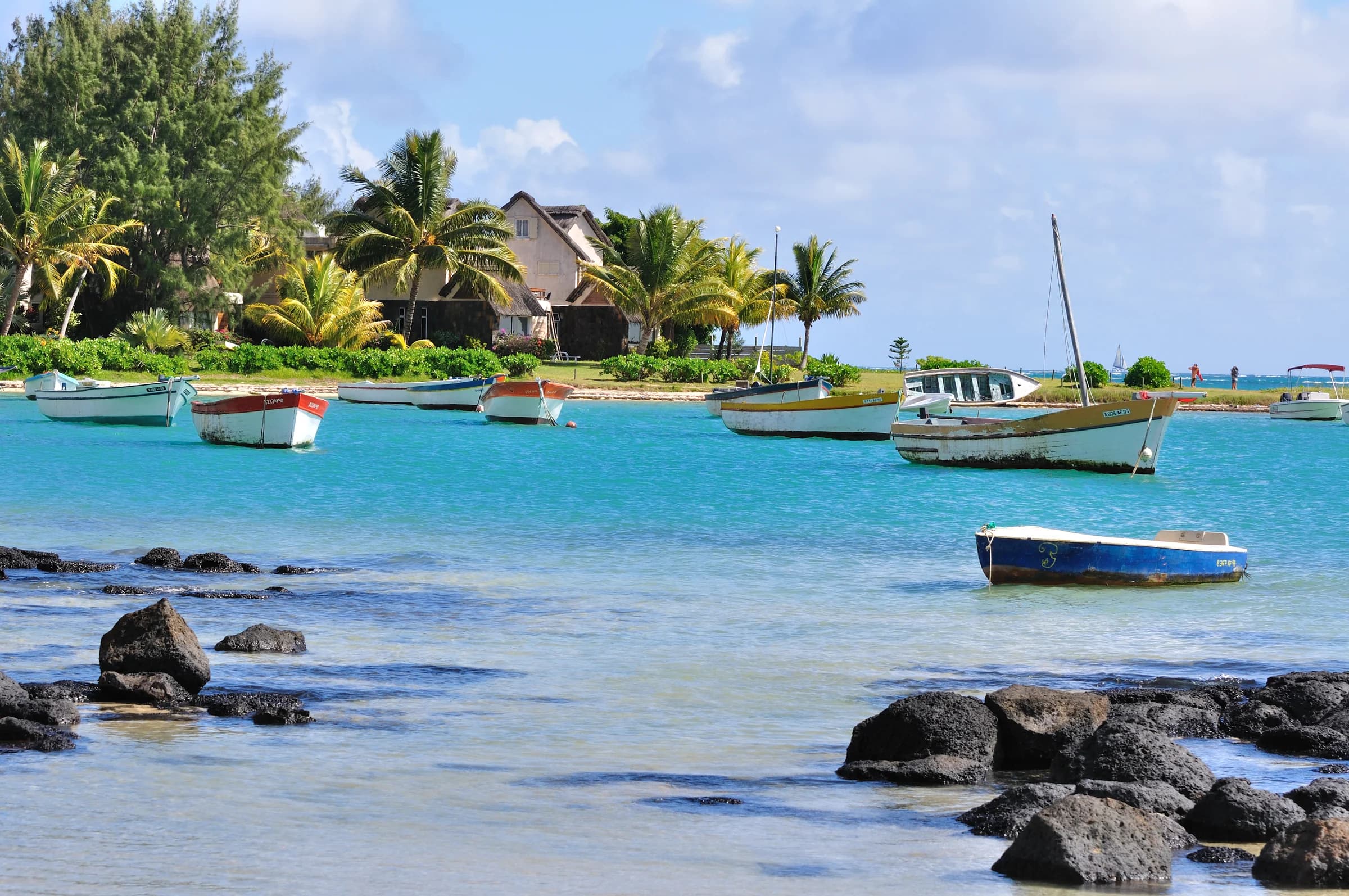
If you enjoy warmer, more humid weather, the summer period may suit your idea of a beach holiday. Plan breaks from the sun and keep the schedule flexible around showers. If you prefer less heat while sightseeing, consider the cooler season or a transition month. These are practical preferences rather than a ranking of months that will work equally well for everyone.
For wind-driven activities at Anse la Raie, ask the school about the season and conditions appropriate to your ability. For photography, cloud and light on the day can matter more than the month. For an offshore trip, leave a spare day if your holiday allows. That extra flexibility can be more valuable than choosing a date on the basis of a long-term average.
| Period | Broad pattern | Useful planning approach |
|---|---|---|
| November–April | Warmer and more humid | Allow shade breaks and weather flexibility |
| May | Transition | Pack for a mix of conditions |
| June–September | Cooler and generally drier | Bring a light layer for breezy moments |
| October | Transition | Check the actual forecast for each outing |
Use the daily bulletin before setting off
Read the issue date and time when opening a forecast. Look at the part relevant to the north, the expected wind and the sea statement, not just a sunshine symbol. A screenshot saved several days ago is not the same thing as the current bulletin. Check again if conditions are changing or if you have an activity on the water booked for later.
Build the day in movable blocks. A morning church visit, a beach session and a meal can often change order. A boat departure or a lesson has a meeting time and an operator making a weather decision. Keep those different constraints in mind. You can still enjoy the coast when one activity moves, provided the alternative also fits the conditions.
Read sea conditions separately from the weather on shore
A pleasant view from the church does not establish comfortable conditions beyond the reef. Wind, waves and swell can affect a northern-island crossing differently from a short walk along the shore. Before an excursion, confirm with the operator that the trip is running and ask whether the route or stops have changed. A calm-looking photograph is not a marine report.
For swimming, decide at the actual beach. Look at the entry, water movement and any signs or instructions. A tide table adds information but cannot replace that observation. If a high-wave warning or other official instruction affects your plans, follow it and choose a suitable land-based alternative. You do not need to approach an exposed waterline to inspect conditions for yourself.
Know what cyclone season means for planning
The meteorological service identifies the official cyclone season as 1 November to 15 May, while noting that tropical storms can form outside it. This describes a period of greater regional risk, not a prediction that a cyclone will affect your visit. It is a reason to keep access to current bulletins and understand the change arrangements for weather-dependent activities.
If warnings are issued, follow the current advice from the authorities and your accommodation. Do not use an old seasonal article to decide whether it is safe to travel, swim or board a boat. Keep practical details accessible, including your accommodation contact and transport booking. The sensible response is to adjust to the actual event, rather than either dismiss the season or assume the whole holiday will be disrupted.
Plan photographs with daylight, not a fixed sunset claim
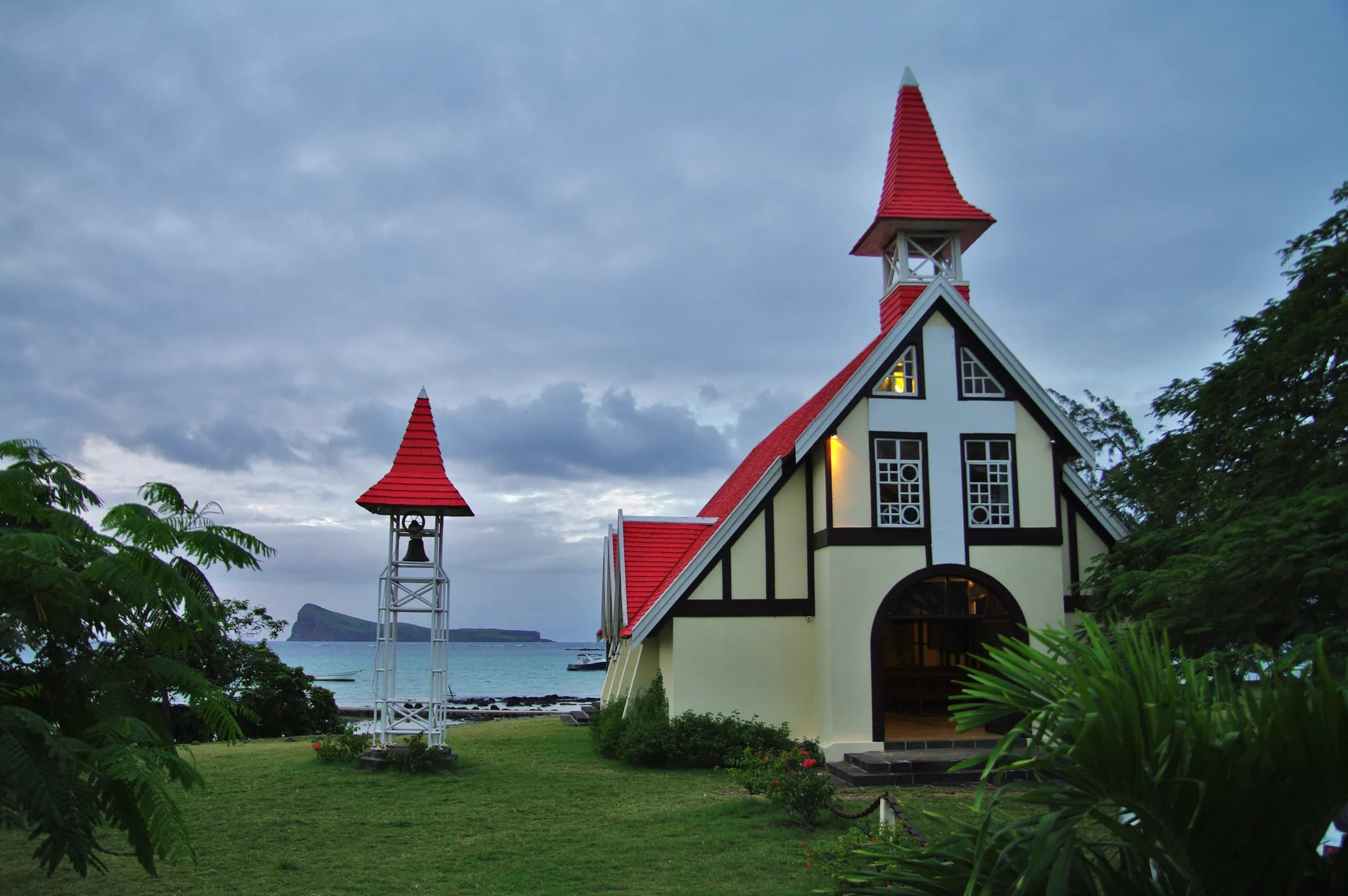
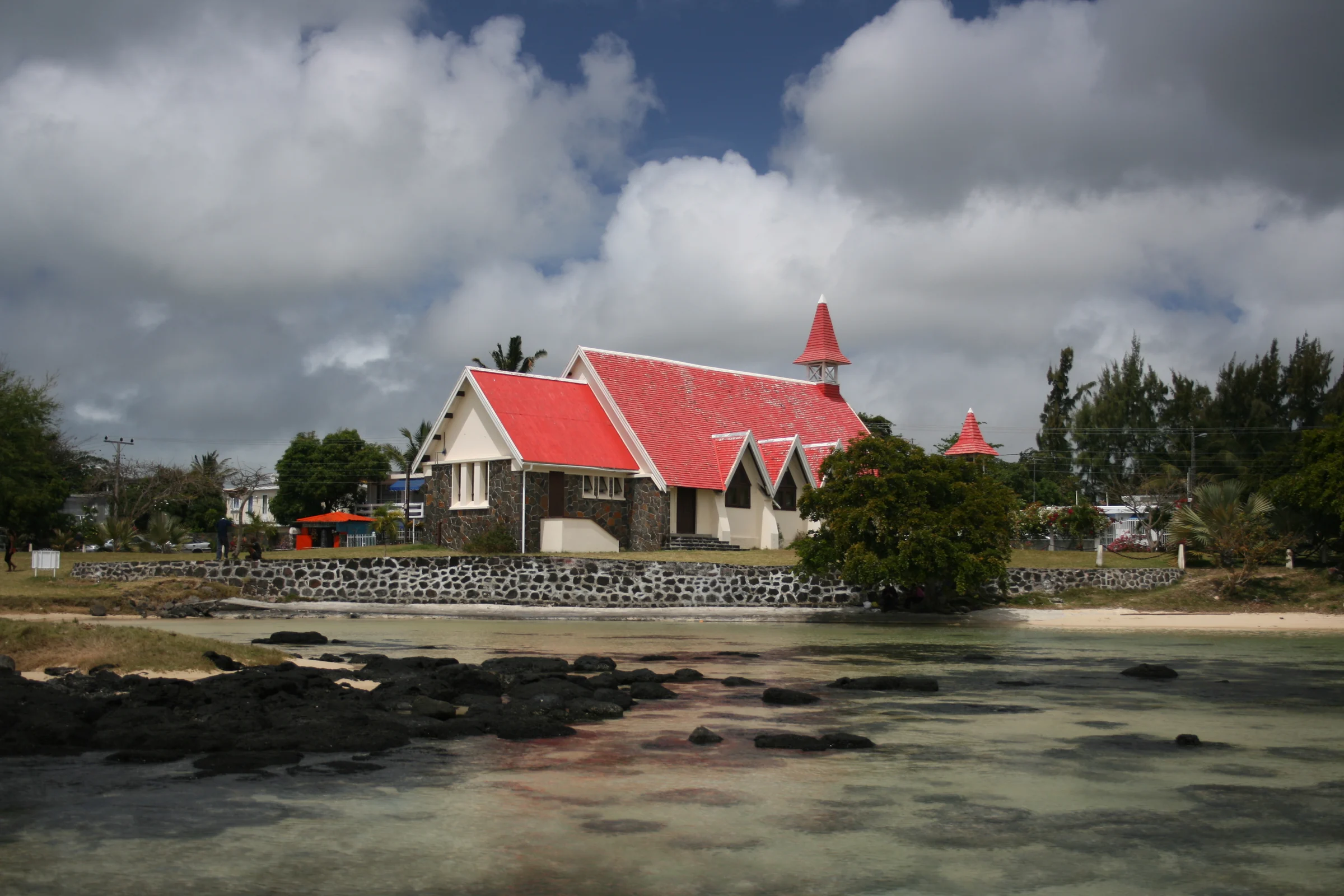
Morning and later-afternoon light can make the church and shoreline especially interesting to photograph. The actual result depends on cloud, the season and where you stand. A soft overcast sky can also be useful for details of the building. There is no need to chase only the saturated midday colours seen in promotional images.
Use the meteorological service’s sunrise and sunset table for your date if timing matters. Its times are in Mauritius local time. They do not guarantee an unobstructed view of the sun from every part of the shore. Allow time to arrive, choose a lawful place to stand and leave comfortably afterwards. Arrange return transport before the light fades.
Pack for the activity and for small changes
For a church and coast visit, bring drinking water, sun protection, comfortable footwear and a cover-up suitable for entering the chapel. A light rain layer can be useful when the forecast is mixed. Keep your phone protected if you are combining the stop with the beach. Pack what makes the day comfortable rather than carrying equipment for every possible activity.
For a boat trip, use the operator’s specific packing advice and ask about storage, sun exposure and what to wear for the transfer to the boat. For a breezy late-afternoon stop, a light extra layer can be welcome after swimming. Families benefit from a dry change and an easy way to shorten the outing if children become uncomfortable.
Keep a good alternative in the itinerary
If the sea is unsuitable but travel conditions allow, a meal, a short village visit or an indoor cultural stop can replace a beach block. Choose an alternative that is genuinely practical from where you are staying, and check its opening arrangements before travelling. Rain does not automatically make a long road journey or an outdoor garden visit a better plan.
The same flexibility applies on very hot days. Visit the church earlier, rest during the middle of the day and return to the coast when it feels more comfortable. Leave enough time to enjoy a place without forcing the original schedule. A successful Cap Malheureux day is the one that fits the conditions and your group, not the one that completes the most stops.
The questions you’re asking
What is the best month to visit Cap Malheureux?
There is no single best month for every activity. May and October are transition months; June–September is cooler and generally drier, while November–April is warmer and more humid. Choose your preferred climate and check the forecast for the actual visit.
Does a sunny forecast mean a boat trip will run?
No. Sea conditions and the operator’s assessment matter separately from sunshine on shore. Confirm the departure and any changed stops directly with the operator.
When is cyclone season in Mauritius?
The meteorological service identifies 1 November to 15 May as the official cyclone season. Storms can also form outside that period. Use current bulletins for decisions during your trip.
Where can I check tide and sunset times?
Mauritius Meteorological Services publishes date-specific tide predictions and sunrise/sunset tables. Use the Mauritius tables and local time, then consider the actual conditions and access at the place you visit.
Sources and review
This guide was reviewed on 30 October 2026. Service times, sea conditions and access arrangements can change. Suggested durations are planning estimates.
- Mauritius Meteorological Services, climate of Mauritius
- Mauritius Meteorological Services, forecast bulletin
- Mauritius Meteorological Services, seasonal outlook
- Mauritius Meteorological Services, high-wave warnings
- Mauritius Meteorological Services, tide predictions
- Mauritius Meteorological Services, sunrise and sunset