Your visit at a glance
- Temple
- Arulmigou Shiva Soopramanier Kovil
- Address reference
- Mariamen Temple Street, Cap Malheureux
- Statue inaugurated
- 15 December 2024
- Suggested visit
- 30–45 minutes, excluding travel and ceremonies
Find the right Cap Malheureux temple
The Mauritius Tamil Temples Federation identifies this site as Arulmigou Shiva Soopramanier Kovil, under the Cap Malheureux Mariamen Temple Society, on Mariamen Temple Street. Arulmigu Siva Soopramaniar is another transliteration you may see in local reporting. Save the name together with the address when arranging a taxi or searching a map.
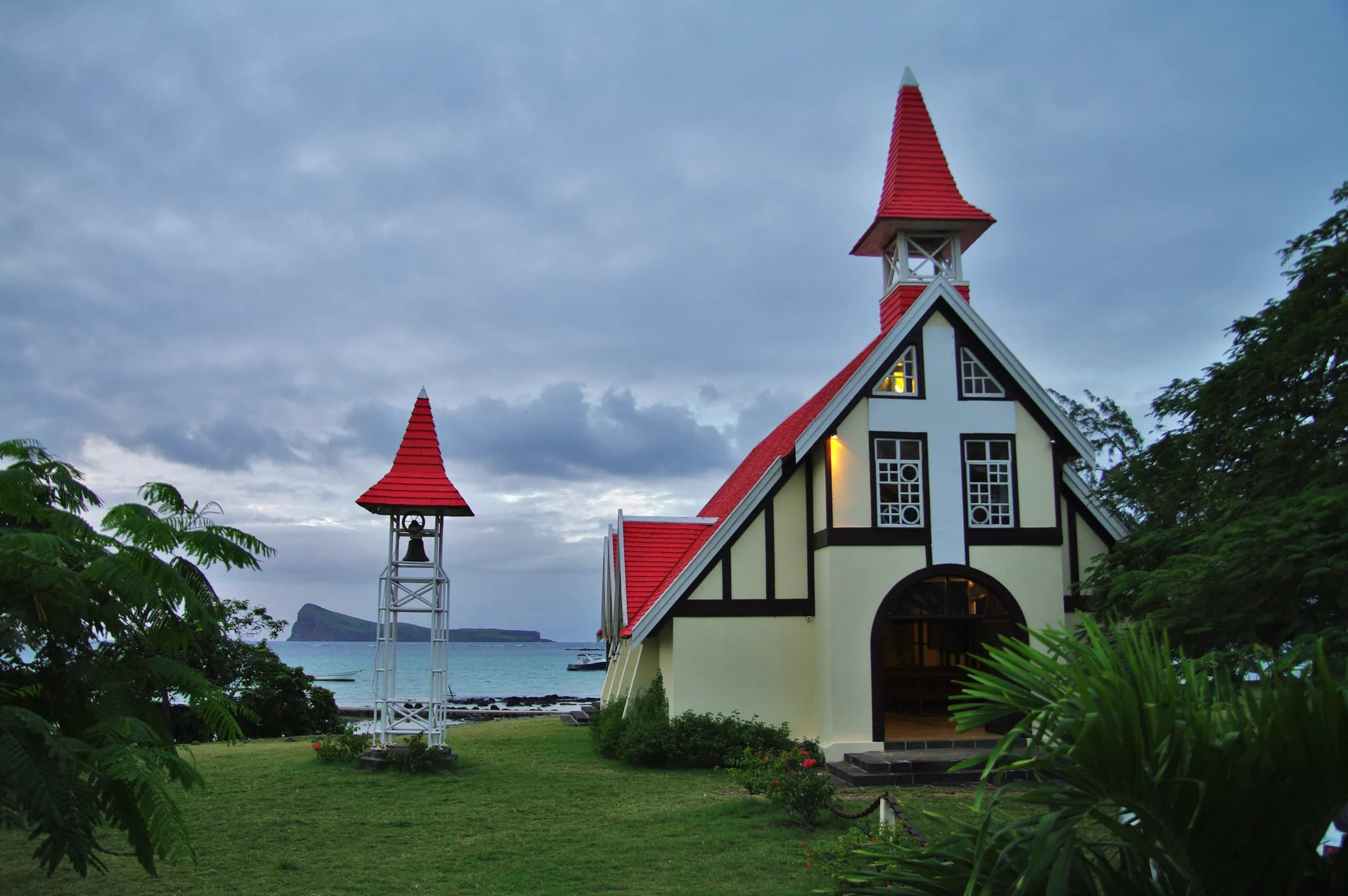
Draupadee Ammen Kovil at Pavillon is a separate entry in the federation’s directory. A destination described simply as the Hindu temple in Cap Malheureux is therefore insufficient. Tell your driver that you want the temple with the large Murugan statue. Keep the church as a separate saved destination too, particularly when arranging a collection after visiting both sites.
A new landmark at an existing place of worship
The statue was inaugurated on 15 December 2024 in the courtyard of Arulmigu Siva Soopramaniar Kovil. ION News reported that artisans from Chennai, India, created it during work begun in late July and completed in early December that year. This date belongs to the statue, not to the founding of the temple.
Older photographs may show the site before this addition. On arrival, begin with a view of the whole courtyard and landmark, then look more closely at the figure and its attributes. This keeps the statue connected to the worship space around it.
Recognise Murugan, the vel and the peacock
Murugan’s place in Tamil culture reaches back to early poetry associated with the hills. He is also known through names including Skanda, Karttikeya and Subrahmanya. The National Library Board of Singapore’s account of this tradition explains his association with the vel, a sacred lance, and with Shiva. These names help connect references you may encounter in temple descriptions, religious art and festival reporting.
The peacock is Murugan’s mount, a relationship also represented in historic Karttikeya sculptures such as the eighth-century example held by the Metropolitan Museum of Art. In Murugan imagery, a peacock is therefore an identifying attribute, not simply a tropical decorative motif. If you notice one in a sculpture, painting or festival decoration, you have a useful starting point for understanding it. This explains the wider iconography without assuming every symbol appears on every part of the Cap Malheureux complex.
Understand what changes during Cavadee
In an interview with Le Défi, a priest from this Cap Malheureux temple explained Thaipoosam through the tradition of Parvati giving the vel to Murugan. He described a cavadee as a decorated arched structure used to carry sacred milk as an offering. Carrying it can express a vow or gratitude for a blessing. The objects seen during a procession belong to personal commitments as well as a collective celebration.
Mauritian coverage of Thaipoosam Cavadee in 2026 describes ten days of fasting and spiritual preparation before the festival. This makes a festival visit a different experience from an ordinary afternoon looking at the statue. The wider occasion includes preparation, prayer and the effort of participants, so give it time rather than trying to fit it into a short sightseeing interval.
If attending Cavadee is your purpose, obtain this temple’s current programme before choosing a journey time. A national festival date does not establish a local procession route. Arrange a meeting point with your driver away from the gathering and follow the organisers’ directions. For a quiet look at the architecture, choose an ordinary day instead. Both visits can be rewarding, but they answer different interests.
Reach Mariamen Temple Street
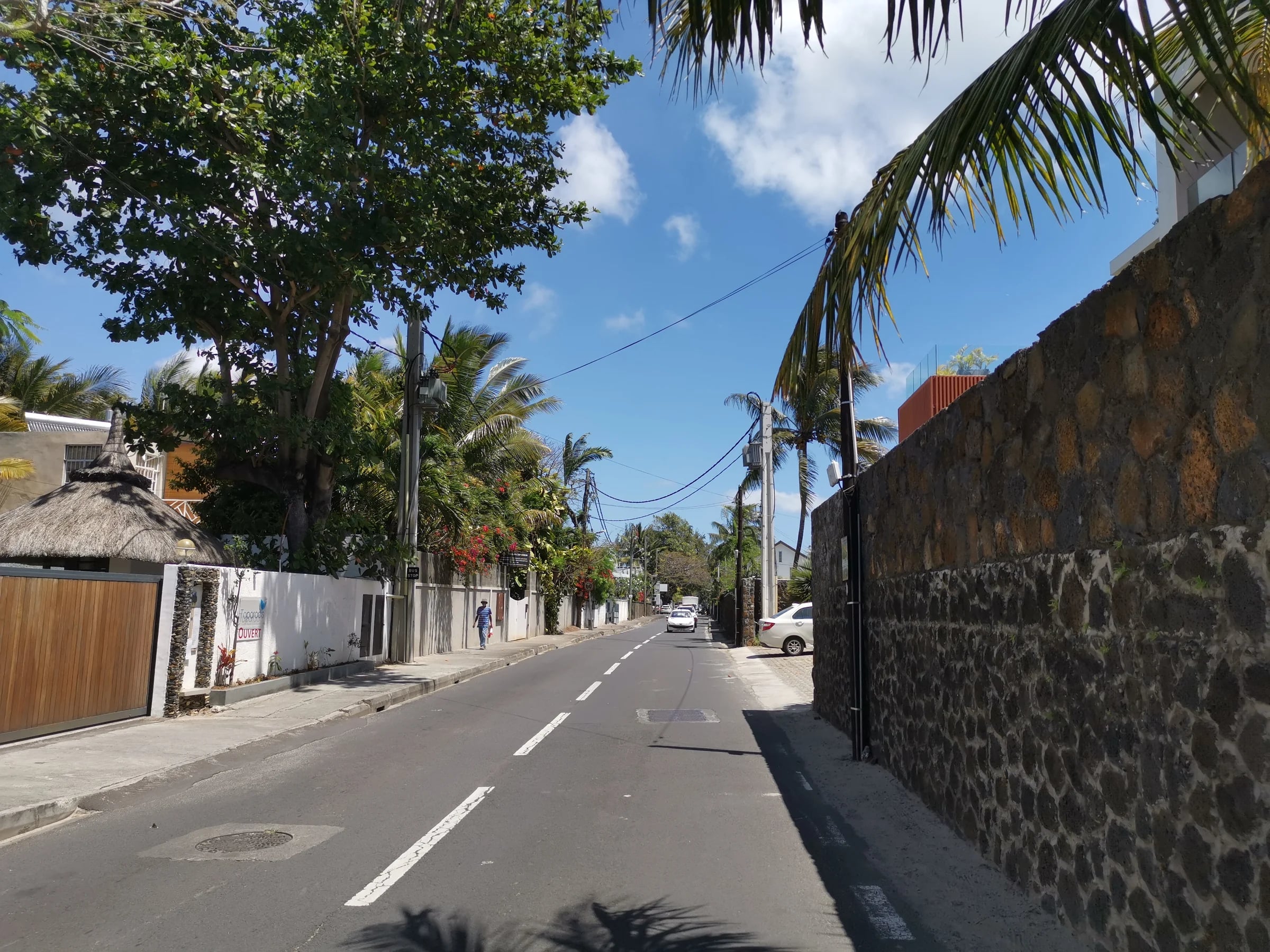
The useful final destination is Mariamen Temple Street, also mapped as Mariamen Temple Road. Keep an offline map of this last approach, not only a pin for Cap Malheureux village. Coming from Grand Baie along the coast, the main sequence is Pereybère, Bain Bœuf and Cap Malheureux. Make the temple turn according to your saved destination instead of continuing automatically towards the church or Pavillon.
A taxi can make the final approach straightforward when the temple is one stop in a northern circuit. Agree whether the driver will wait or return, and set a precise collection point. If arriving by bus, tell the conductor the temple name and ask which stop suits the remaining walk. The coastal bus journey and the final walk are separate parts of the visit. Allow for both before arranging your next meal or transfer.
With a wheelchair, pram or limited mobility, assess the final approach before unloading. Ask about steps and the route available to you. A convenient drop-off does not establish step-free access throughout the complex.
Prepare for a comfortable temple visit
Allow around 30–45 minutes for an ordinary visit, excluding travel and any ceremony. This is a planning estimate. Wear light clothing that covers shoulders and knees, bring a dry change after swimming and choose footwear that is easy to remove where requested. Ask on arrival which areas are open to visitors. Current access and service arrangements are best established with the people responsible for the site.
Keep the practical questions together at the start. Find out where shoes belong and whether photographs are allowed in the areas you will enter. Permission to photograph a building does not include portraits of worshippers or a ritual. Keep entrances clear, put your phone on silent and avoid flash. If part of the site is reserved for worship, continue with the accessible exterior instead of interrupting someone to seek an exception.
Build a cultural half day around the village
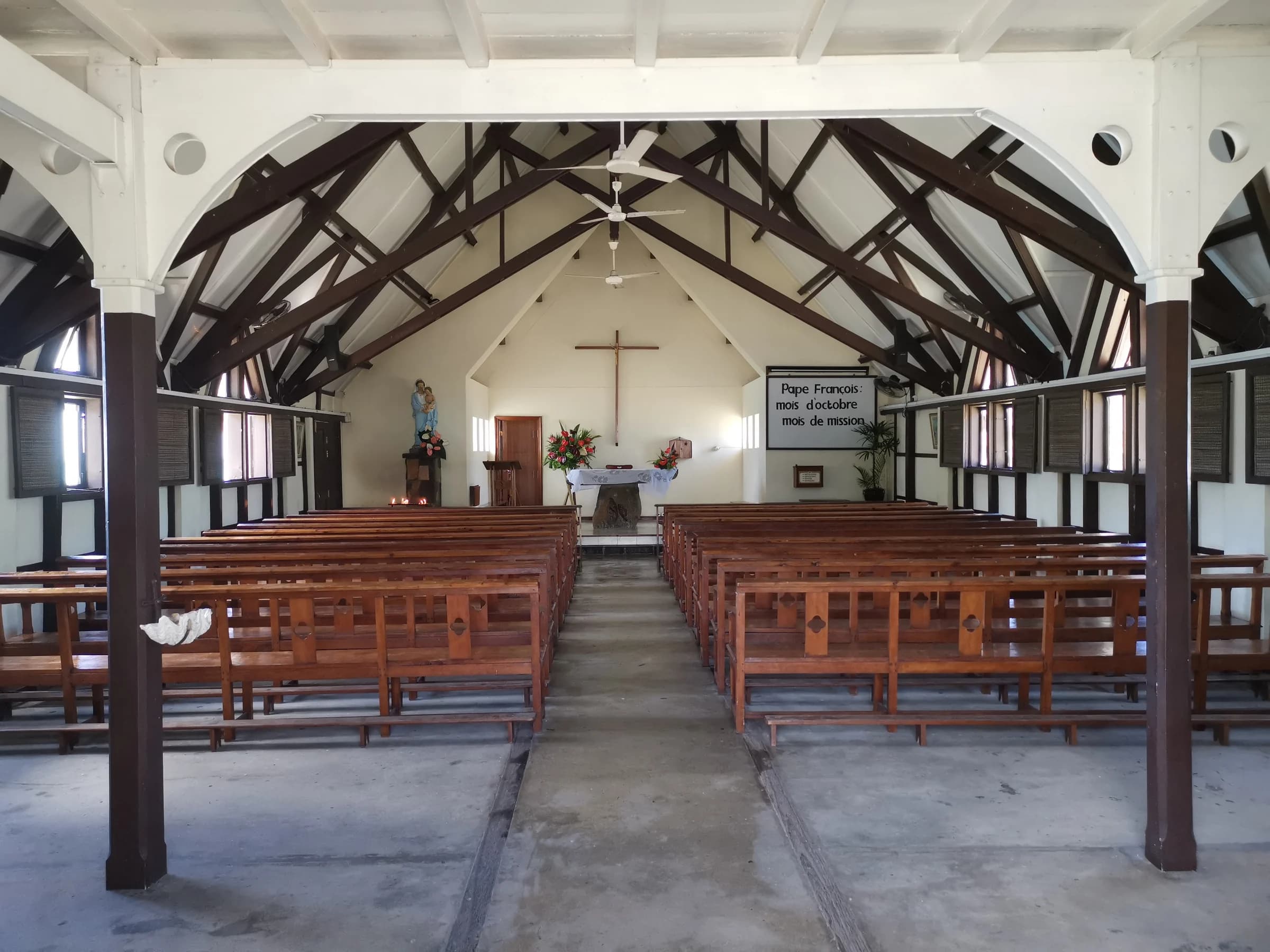
Start with the temple, continue to Notre-Dame Auxiliatrice and finish with the shoreline and lunch, or reverse the two religious stops to suit access and your transport. Allow about an hour for arrival at the church and an unhurried waterfront pause, in addition to the temple time and travel. This makes a more comfortable cultural half day than adding a distant attraction between the two.
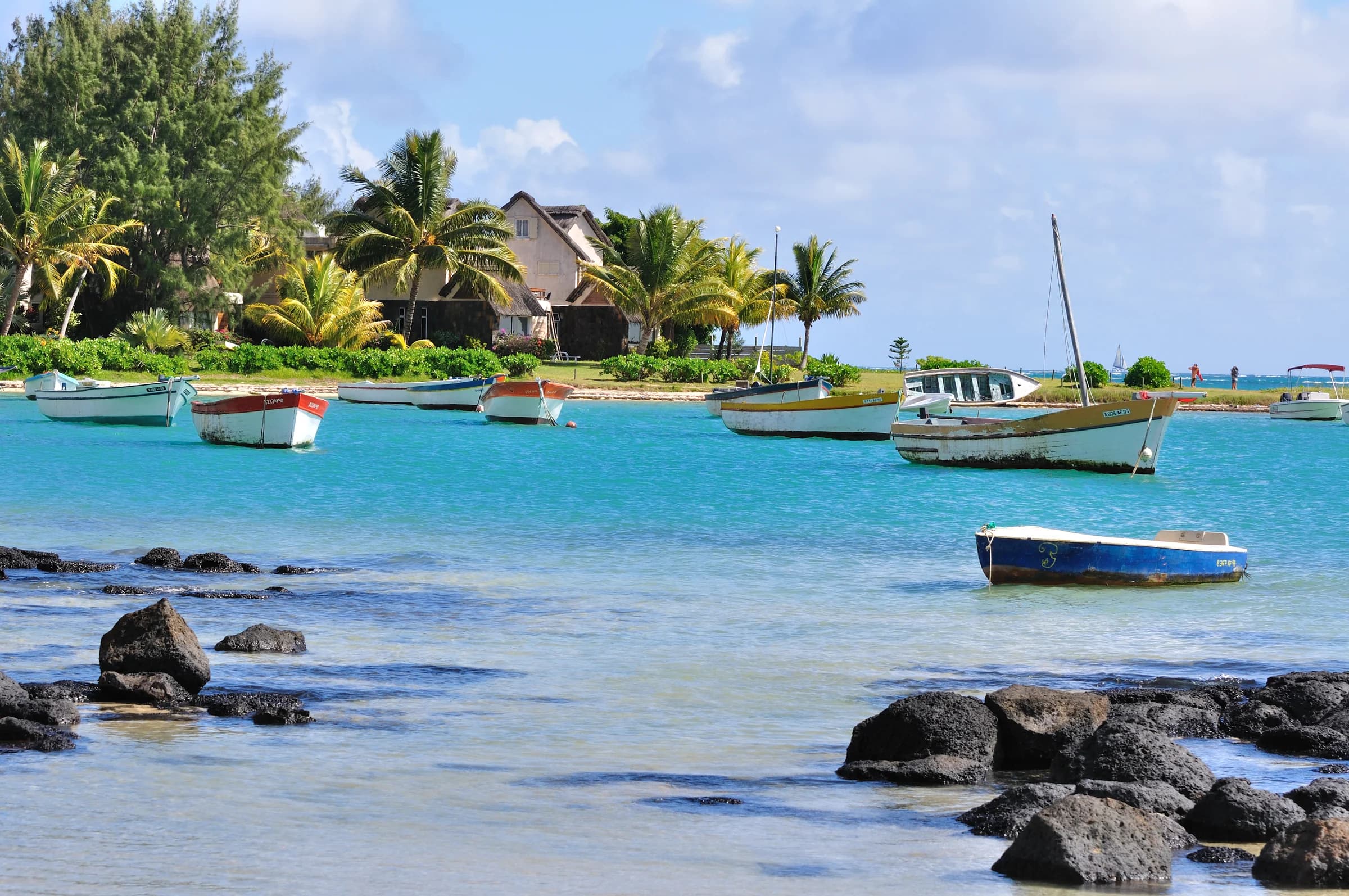
The pairing shows two different religious traditions within the same northern village. Keep their histories distinct while noticing how each belongs to everyday local life. If your group also wants a swim, place Bain Bœuf or Pereybère at the end of the outing. You can then leave the dry clothes and quieter visits behind and give the beach a proper block of time.
The questions you’re asking
How do I find the temple with the Murugan statue?
Use the full destination name and street in the quick facts above. Mention the large statue when giving directions, especially if a map search offers several temples.
When was the Murugan statue inaugurated?
The inauguration took place on 15 December 2024. That is the statue’s inauguration date and should not be used as the founding date of the temple.
Can visitors go inside and take photographs?
Ask about the areas open to visitors when you arrive, and establish photography rules at the same time. Access to the exterior, interior worship spaces and ceremonies may differ.
What are the visiting hours and entrance fee?
Confirm visiting arrangements directly with the temple before making a special journey. Ask about your intended arrival time and whether any visitor payment applies.
Is Cavadee the best time to visit?
Choose Cavadee for an interest in devotional life and an ordinary day for a quieter architectural visit. For the festival, obtain the temple’s local programme and allow extra time for gathering, transport and movement around the site.
Sources and review
This guide was reviewed on 30 October 2026. Service times, sea conditions and access arrangements can change. Suggested durations are planning estimates.
- Mauritius Tamil Temples Federation, distinct Cap Malheureux temple listings
- ION News, inauguration of the Cap Malheureux Murugan statue, 16 December 2024
- National Library Board Singapore, Tamil tradition and Murugan imagery
- The Metropolitan Museum of Art, Karttikeya and the peacock
- Le Défi, Thaipoosam Cavadee explained by a Cap Malheureux priest
- TOP FM, Thaipoosam Cavadee in Mauritius, 1 February 2026
- OpenStreetMap, temple-area mapping at Mariamen Temple Road