Your visit at a glance
- Also called
- Gunner’s Quoin
- Status
- Nature reserve
- Public landing
- Prohibited
- Ways to experience it
- Shore views and suitable boat outings
Recognise the island from the village waterfront
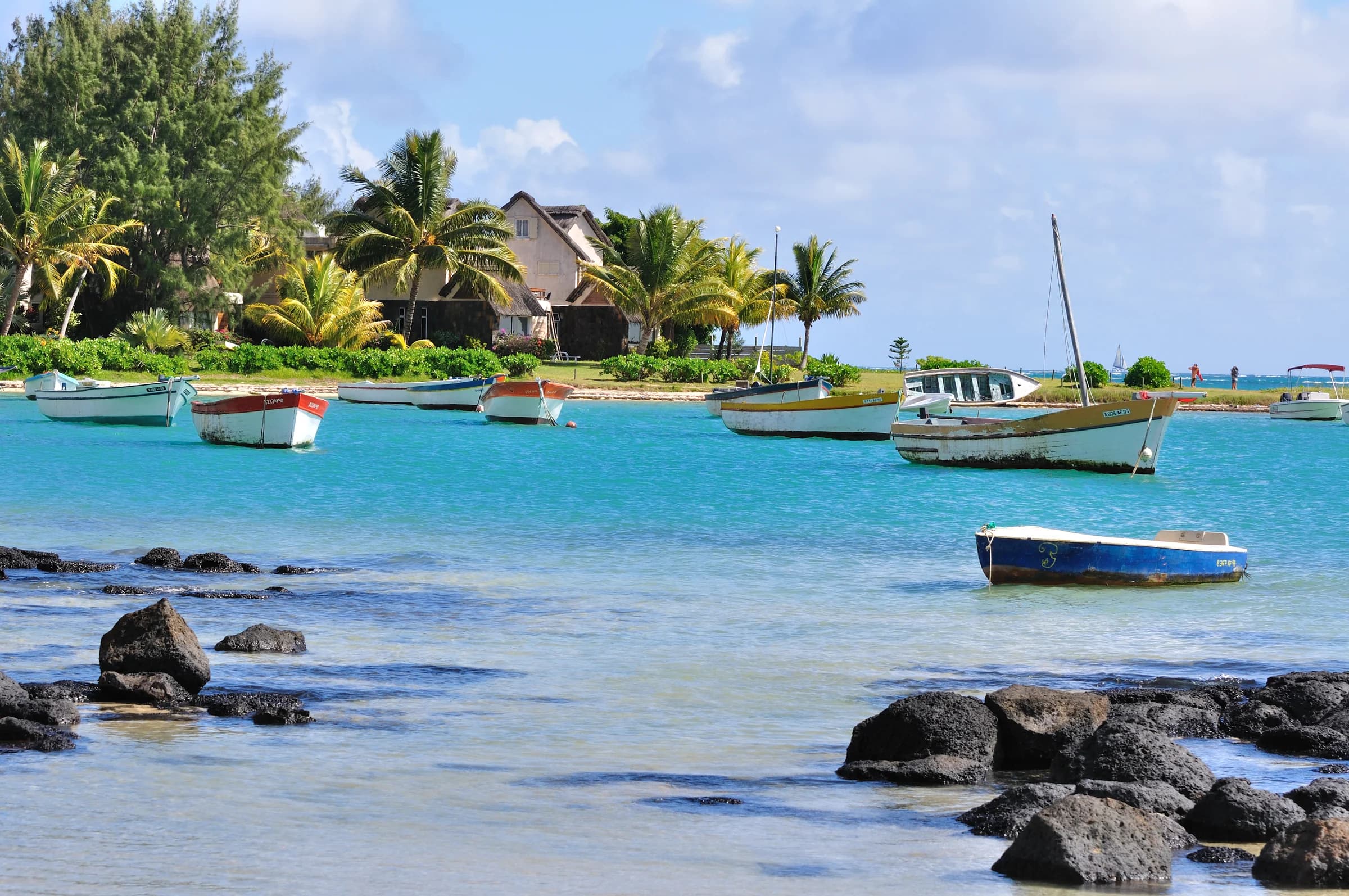
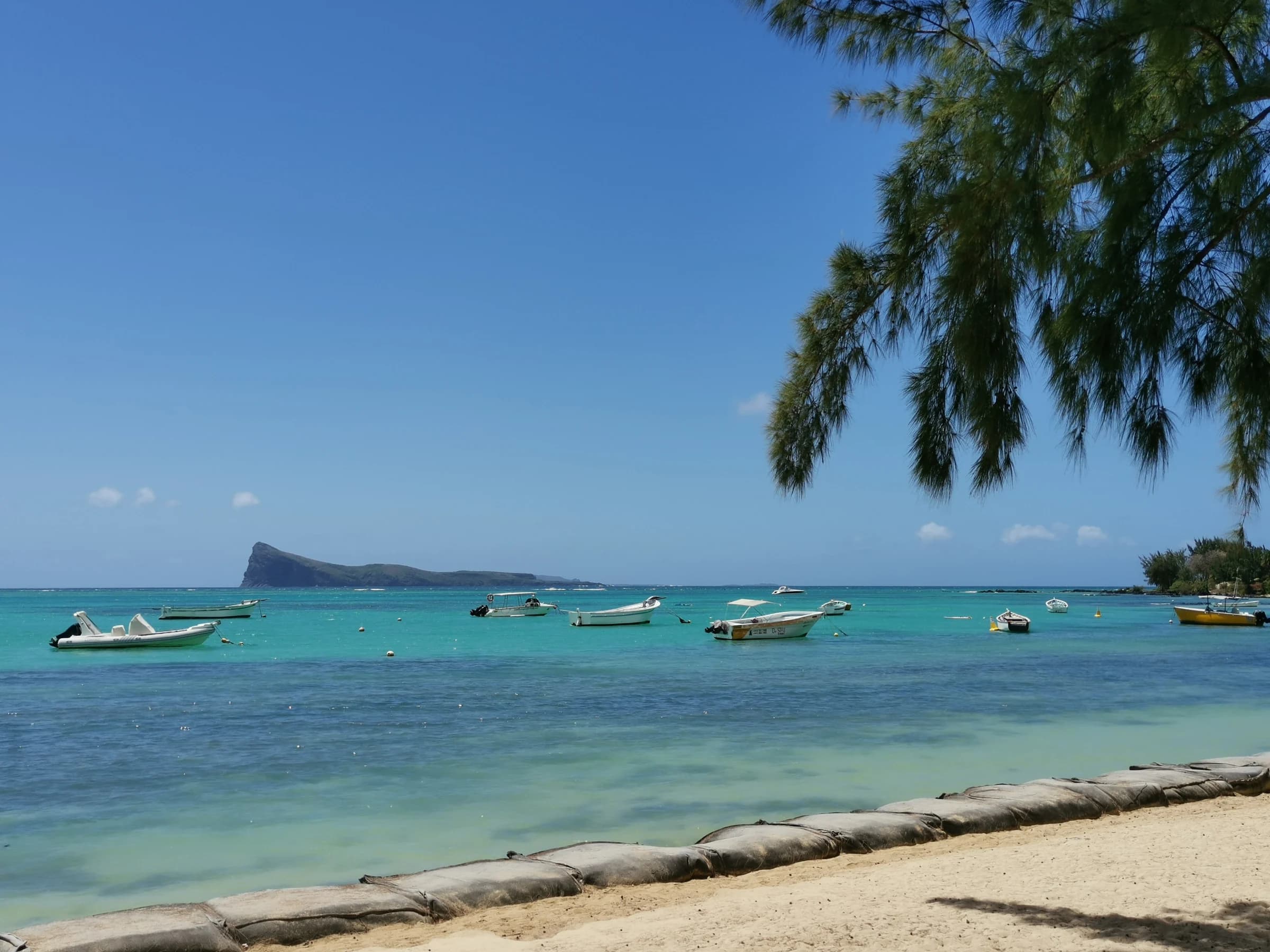
When you arrive beside Notre-Dame-Auxiliatrice, look beyond the boats towards the prominent offshore outline. Coin de Mire is part of the setting that makes this stretch of coast memorable. It gives scale to the open water and helps distinguish a Cap Malheureux photograph from a more general tropical beach view. Take a moment to look with your eyes before deciding how to frame it.
Bain Boeuf offers another coastal perspective. Comparing the views can be a simple pleasure during a northern day without booking anything on the water. Visibility changes with weather and light, so the island may appear crisp, hazy or partly lost in cloud. That variation is part of the landscape rather than a defect in the visit.
Understand the nature-reserve boundary
The Forestry Service lists Coin de Mire among Mauritius’s nature reserves. Its public notice explicitly prohibits access, and the tourism authority also explains that visitors are not allowed on the island for conservation reasons. A general island-hopping description should not be read as permission to land here. Do not plan a beach picnic, walk or climb on Coin de Mire.
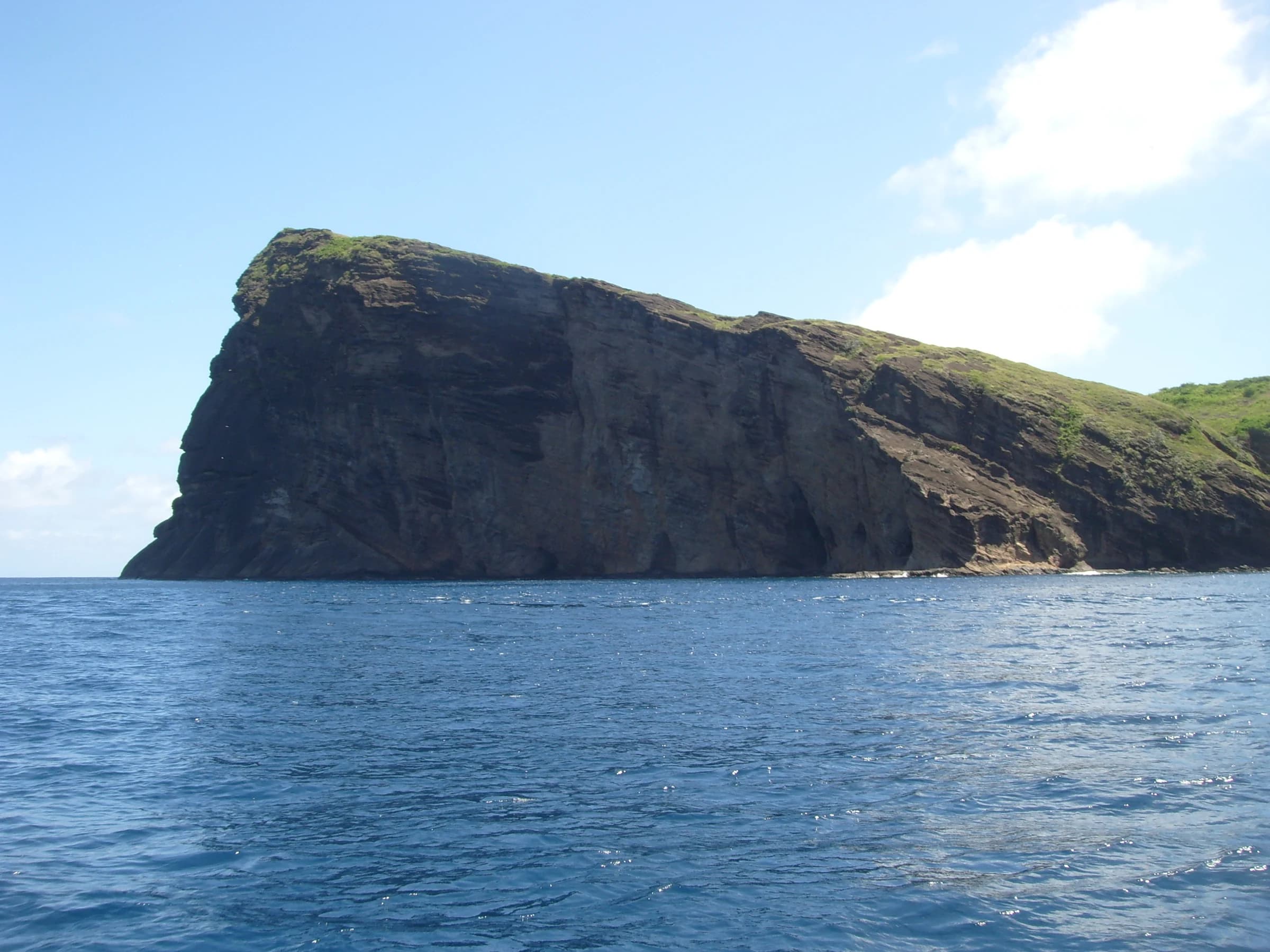
For the visitor, the experience therefore takes place around the island. From Cap Malheureux it is a landmark on the horizon; from a boat its outline becomes part of an offshore outing. Keep that distinction in mind when choosing between a coastal day and an excursion. A longer northern-islands itinerary may include a beach stop elsewhere, while Coin de Mire remains a place to appreciate from the surrounding water.
A shore view is a complete experience in its own right
You do not need a boat trip to appreciate Coin de Mire. From the coast, it becomes part of a larger scene with the chapel, the lagoon and everyday village activity. A pair of binoculars can add interest if you enjoy looking at the distant coastline or birds, but the view works just as well with no equipment. Give yourself enough time to sit or stand comfortably.
For photographs, try both a wider frame and a closer study of the island’s outline. A wider frame can preserve the connection with Cap Malheureux; a tighter one emphasises shape and light. Keep to accessible ground and avoid stepping into the road or onto fishing equipment for a better angle. You do not need to enter the water to improve the photograph.
Choose between passing, pausing and snorkelling
A trip that mentions Coin de Mire may pass the island, pause nearby or include a snorkelling stop when conditions allow. Passing gives the island a place in a wider journey. A pause gives more time to look at its shape, take photographs and enjoy the surroundings. Snorkelling adds a separate water activity. Read the itinerary with these three experiences in mind, because the island’s name alone does not establish which one is included.
Choose the outing around what interests you most. If the island itself is the reason for going, establish how much time is planned nearby. If you want a beach lunch and time on sand, compare the route’s other islands and their stops. The northern-islands guide explains those wider choices and the practical booking questions. Here, the essential distinction is between seeing Coin de Mire on a journey and making its surrounding waters the focus of the outing.
Look above and below the water
The tourism authority identifies the waters around Coin de Mire as a snorkelling and diving destination. A water stop brings a different scale to the excursion, with attention moving from the island’s outline to what is beneath the surface. Follow the crew’s briefing on entry, exit and the supervised area, and explain your swimming ability. Staying aboard remains a useful option for anyone whose main interest is the scenery.
The island also has a seabird interest. The tourism authority names tropicbirds, sooty terns and masked boobies among the species associated with Coin de Mire. Watch the sky as well as the sea when the boat pauses, and keep binoculars within reach if birdwatching interests you. Birds and marine animals are encountered on their own terms, so sightings vary. Leaving wildlife undisturbed and avoiding contact with coral keeps observation at the centre of the visit.
Plan a sea day or a coastal sequence
The water beside the church and the sea on an offshore route can feel very different. Use the current weather and sea bulletin, together with the operator’s departure decision, when planning a boat outing. If this experience is important to your holiday, leave another possible day for it. A little flexibility is more useful than choosing a date solely from a general description of the best season.
For a day on land, make the island view part of a short coastal sequence. Begin with the church and its boats, then spend longer at Bain Boeuf for another perspective. A small pair of binoculars, a camera or phone, water and sun protection are enough for this version of the visit. The contrast between foreground and distant island changes with your position, giving the two stops a different visual character even within the same day.
Keep the island, the hotel and the neighbouring islands distinct
Coin de Mire Attitude is a hotel on the mainland at Bain Boeuf. Its name refers to the island in the view; it is not accommodation on Coin de Mire itself. This distinction matters when searching maps or reading a booking page. If you are looking for the island, check that the result is offshore. If you are looking for the hotel, use its Bain Boeuf address.
Île Plate and Îlot Gabriel are separate northern islands with different excursion arrangements. A trip may mention several names, but the presence of one on the list does not establish a stop at every other one. Keep the shoreline visit, the hotel location and the actual boat itinerary separate in your plans. It prevents surprisingly common misunderstandings about what a booking will deliver.
| Name | What it identifies |
|---|---|
| Coin de Mire / Gunner’s Quoin | Offshore nature reserve, no public landing |
| Coin de Mire Attitude | Mainland accommodation at Bain Boeuf |
| Île Plate | A separate northern island |
| Îlot Gabriel | A separate northern island |
Choose the experience that suits this visit
If you have a short stay in the north, start with the shore. A church visit and time at Bain Boeuf let you enjoy the island in the landscape without committing most of a day to a boat. If marine scenery or snorkelling is a major interest, research an outing and give it enough space in the itinerary to be comfortable.
The two experiences complement each other. Seeing the outline from land gives you a reference for a later boat trip, while returning to the village after time at sea can make the view feel more familiar. Neither requires landing on the reserve. Choose according to your interests, mobility, swimming ability and the conditions, then enjoy the version of the coast that fits.
The questions you’re asking
What is the island visible from Cap Malheureux?
The distinctive offshore island is Coin de Mire, also known as Gunner’s Quoin. It is a defining feature of views from the church waterfront and nearby northern beaches.
Can you land or hike on Coin de Mire?
Public landing is prohibited. The island is a nature reserve, and both the Forestry Service and the tourism authority state that visitors are not allowed onto it.
Do all boat trips stop for snorkelling at Coin de Mire?
No. The route and stops depend on the booked itinerary and the day’s conditions. Ask whether a trip passes the island, pauses nearby or offers a conditional snorkelling stop before booking.
Is Coin de Mire Attitude on the island?
No. The hotel is on the Mauritius mainland at Bain Boeuf, facing the sea towards the island. It is a separate place from the offshore nature reserve.
Sources and review
This guide was reviewed on 30 October 2026. Service times, sea conditions and access arrangements can change. Suggested durations are planning estimates.
- Mauritius Tourism Promotion Authority, northern islands
- Forestry Service, nature-reserve access notice
- Forestry Service, nature-reserve schedule
- Mauritius Tourism Promotion Authority, Cap Malheureux church
- Mauritius Tourism Promotion Authority, boat travel guidance
- Coin de Mire Attitude, mainland location